


 0086-15925850312




Advanced Valve Manufacturing with Smart Technologies
2025-05-22
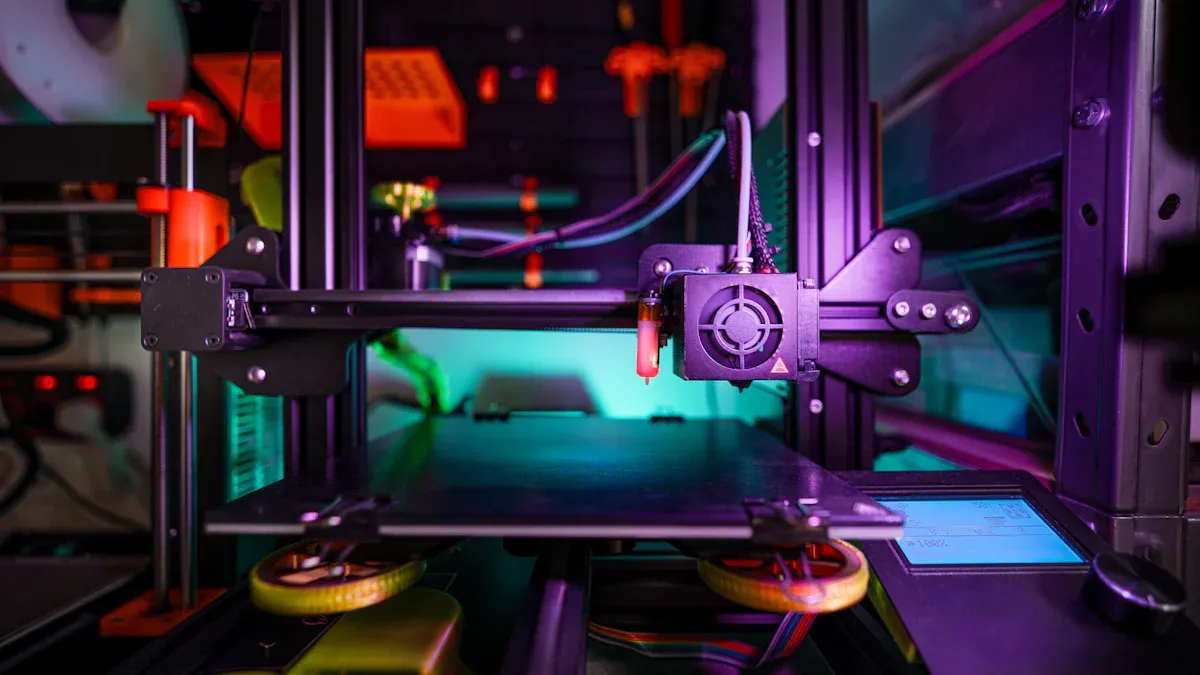
Smart technologies are revolutionizing how you approach Advanced Valve Manufacturing. These innovations allow you to enhance precision and reliability while solving complex industry problems. By embracing cutting-edge tools like IoT and AI, you gain the ability to predict failures and optimize processes. This makes innovation essential for creating sustainable solutions that meet growing demands.
Key Takeaways
- Use smart valve tools to improve accuracy and dependability in fluid systems.
- Apply IoT and AI to predict problems, cut downtime, and make valves last longer.
- Use machines and robots to work faster, letting workers handle more important jobs.
Understanding Advanced Valve Manufacturing
Defining Smart Valve Technologies
Smart valve technologies represent a leap forward in how you approach valve systems. These technologies integrate sensors, actuators, and communication modules to create intelligent systems capable of real-time monitoring and control. Unlike traditional valves, smart valves can adjust their operations based on data inputs, ensuring optimal performance under varying conditions.
You can think of these systems as the "brains" of modern fluid control. They not only regulate flow but also provide insights into system health. For example, a smart valve can detect pressure changes and alert you to potential issues before they escalate. This proactive approach reduces downtime and enhances operational reliability.
By adopting smart valve technologies, you gain tools that improve efficiency and precision. These systems are essential for industries like oil and gas, water treatment, and manufacturing, where accuracy and reliability are critical.
Components Driving Innovation: IoT, AI, and Digital Twins
Three key technologies drive innovation in Advanced Valve Manufacturing: IoT, AI, and digital twins. The Internet of Things (IoT) connects valves to a network, enabling seamless communication between devices. This connectivity allows you to monitor and control valves remotely, even in complex systems.
Artificial intelligence (AI) takes this a step further by analyzing data collected from IoT-enabled valves. AI algorithms identify patterns, predict failures, and recommend adjustments to optimize performance. This means you can make data-driven decisions with confidence.
Digital twins add another layer of innovation. These virtual replicas of physical valves let you simulate operations and test scenarios without disrupting actual systems. You can use digital twins to predict wear and tear, plan maintenance, and improve designs.
Together, IoT, AI, and digital twins transform how you design, monitor, and maintain valve systems, making them smarter and more efficient.
Benefits of Smart Technologies in Valve Manufacturing

Boosting Efficiency and Productivity
Smart technologies redefine how you approach efficiency in Advanced Valve Manufacturing. By integrating intelligent systems, you can streamline operations and reduce manual intervention. For example, IoT-enabled valves allow you to monitor flow rates and pressure levels in real time. This eliminates guesswork and ensures precise control over fluid systems.
Automation plays a key role in boosting productivity. Automated valve systems can handle repetitive tasks faster and more accurately than human operators. This frees up your workforce to focus on higher-value activities, such as system optimization and innovation.
Tip: Use smart technologies to identify bottlenecks in your processes. Addressing these areas can significantly improve overall productivity.
Cost Optimization and Automation
Smart valve systems help you cut costs in multiple ways. First, automation reduces labor expenses by minimizing the need for manual oversight. Second, predictive analytics allow you to avoid costly downtime by identifying issues before they occur.
IoT and AI technologies also optimize resource usage. For instance, smart valves can adjust flow rates to match demand, preventing waste and lowering energy consumption. This not only saves money but also enhances system efficiency.
Here’s a quick comparison of traditional vs. smart valve systems:
| Aspect | Traditional Valves | Smart Valves |
|---|---|---|
| Monitoring | Manual | Real-time, automated |
| Maintenance | Reactive | Predictive |
| Resource Optimization | Limited | Advanced |
By adopting smart technologies, you gain tools that reduce operational costs while improving performance.
Predictive Maintenance for Operational Reliability
Predictive maintenance is one of the most valuable benefits of smart technologies in Advanced Valve Manufacturing. Instead of waiting for a failure to occur, you can use AI-driven insights to predict when maintenance is needed.
Sensors embedded in smart valves collect data on temperature, pressure, and vibration. AI algorithms analyze this data to detect early signs of wear and tear. This allows you to schedule maintenance at the right time, avoiding unexpected breakdowns.
Note: Predictive maintenance not only improves reliability but also extends the lifespan of your valve systems.
Operational reliability is critical in industries like oil and gas, where downtime can lead to significant financial losses. By leveraging predictive maintenance, you ensure your systems run smoothly and efficiently.
Sustainability and Environmental Impact
Smart technologies contribute to sustainability by reducing waste and energy consumption. For example, smart valves can optimize water usage in treatment plants, ensuring resources are used efficiently.
IoT-enabled systems also help you monitor emissions and identify areas for improvement. This is especially important in industries with strict environmental regulations. By using data-driven insights, you can make informed decisions that minimize your ecological footprint.
Callout: Sustainability isn’t just good for the planet—it’s also good for business. Companies that adopt eco-friendly practices often gain a competitive edge.
Advanced Valve Manufacturing with smart technologies aligns with global efforts to create greener industries. By prioritizing sustainability, you not only meet regulatory requirements but also contribute to a healthier environment.
Innovations Shaping Advanced Valve Manufacturing
Additive Manufacturing and 3D Printing
Additive manufacturing, commonly known as 3D printing, is transforming how you create valve components. This technology allows you to build parts layer by layer, offering unmatched precision and customization. Unlike traditional manufacturing methods, 3D printing minimizes material waste. You can produce complex geometries that were once impossible to achieve with conventional techniques.
For example, you can design lightweight yet durable valve components tailored to specific applications. This flexibility reduces lead times and accelerates production cycles. Additionally, 3D printing enables rapid prototyping. You can test designs quickly and make adjustments without significant delays.
Tip: Use 3D printing to experiment with innovative designs and improve product performance.
By adopting additive manufacturing, you gain the ability to innovate faster and meet the unique demands of Advanced Valve Manufacturing.
Automation and Robotics Integration
Automation and robotics are redefining how you approach valve production. Robotic systems can handle repetitive tasks with precision and speed, reducing the risk of human error. For instance, robots can assemble valve components, apply coatings, or perform quality inspections.
Integrating automation into your processes boosts efficiency and ensures consistent product quality. You can also scale production without compromising accuracy. Robotics systems work tirelessly, allowing you to meet tight deadlines and high-volume demands.
Callout: Automation doesn’t replace your workforce—it enhances their capabilities. Workers can focus on tasks that require creativity and problem-solving.
By combining robotics with smart technologies, you create a seamless manufacturing process that delivers reliable results every time.
Real-Time Insights Through Data Analytics
Data analytics provides you with real-time insights into your manufacturing operations. Sensors embedded in valve systems collect data on performance metrics like pressure, temperature, and flow rates. Advanced analytics tools process this data and present actionable insights.
You can use these insights to identify inefficiencies, predict maintenance needs, and optimize production schedules. For example, if a valve shows signs of wear, data analytics can alert you before a failure occurs. This proactive approach minimizes downtime and extends the lifespan of your equipment.
Note: Real-time data empowers you to make informed decisions and respond quickly to changing conditions.
By leveraging data analytics, you gain a deeper understanding of your operations and improve overall efficiency.
Advanced Materials and Coatings
The development of advanced materials and coatings is revolutionizing valve manufacturing. These innovations enhance the durability and performance of valve systems, even in harsh environments. For example, corrosion-resistant coatings protect valves used in chemical processing or marine applications.
You can also explore materials like composites and alloys that offer superior strength and lightweight properties. These materials improve energy efficiency and reduce wear and tear. Advanced coatings, such as self-lubricating surfaces, minimize friction and extend the lifespan of moving parts.
Tip: Choose materials and coatings based on the specific requirements of your application to maximize performance.
By incorporating advanced materials and coatings, you ensure your valve systems meet the highest standards of reliability and efficiency.
Challenges in Implementing Smart Technologies
Financial Barriers to Adoption
Adopting smart technologies often requires a significant financial investment. You may face high upfront costs for purchasing IoT-enabled valves, AI software, and advanced sensors. Additionally, integrating these technologies into existing systems can involve expensive upgrades.
Small and medium-sized businesses (SMBs) often find these costs challenging. Limited budgets may prevent you from fully embracing smart technologies. However, you can explore options like government grants, subsidies, or partnerships with technology providers to ease the financial burden.
Tip: Start small by implementing smart technologies in critical areas. Gradually expand as you see measurable returns on investment.
Navigating Regulatory Standards
Regulatory compliance can be a complex hurdle. Smart valve systems must meet industry-specific standards for safety, performance, and environmental impact. For example, industries like oil and gas have strict guidelines that you must follow.
Keeping up with evolving regulations requires constant monitoring. Non-compliance can lead to penalties or operational delays. To address this, you should work closely with regulatory experts and stay updated on changes in standards.
Note: Investing in certified smart technologies can simplify compliance and reduce risks.
Workforce Upskilling and Training
Smart technologies demand a skilled workforce. Your team needs training to operate and maintain IoT-enabled valves, AI systems, and digital twins. Without proper upskilling, employees may struggle to adapt, leading to inefficiencies.
You can overcome this challenge by offering regular training programs. Partnering with technology providers for hands-on workshops can also help. Upskilling not only boosts employee confidence but also ensures smooth operations.
Callout: A well-trained workforce is your greatest asset in leveraging smart technologies effectively.
Addressing Cybersecurity Concerns
Smart valve systems rely on interconnected networks, making them vulnerable to cyberattacks. Hackers can exploit weak points in IoT devices, leading to data breaches or system disruptions.
To protect your systems, you should implement robust cybersecurity measures. Use encrypted communication protocols, regularly update software, and conduct security audits. Educating your team about cybersecurity best practices is equally important.
Alert: Ignoring cybersecurity can jeopardize your operations and compromise sensitive data. Prioritize it to safeguard your investments.
Real-World Applications in Advanced Valve Manufacturing
Industry Examples of Smart Valve Systems
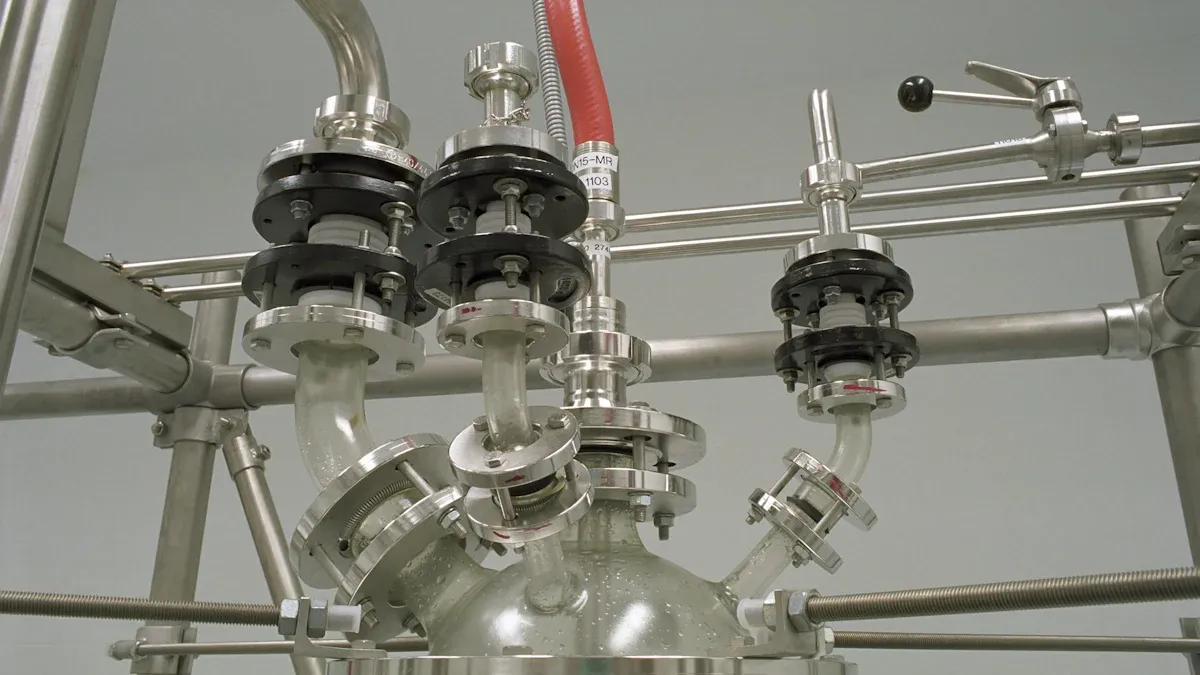
Smart valve systems are transforming industries by delivering precision and reliability. In water treatment plants, IoT-enabled valves monitor flow rates and detect leaks in real time. This ensures efficient resource usage and reduces water wastage. In oil and gas operations, smart valves optimize pressure control, preventing costly equipment failures.
You can also find these systems in manufacturing facilities. Automated valves regulate fluid flow in production lines, ensuring consistent quality. For example, beverage companies use smart valves to maintain precise carbonation levels in drinks. These applications highlight how smart technologies improve performance across diverse sectors.
Tip: Explore industry-specific examples to understand how smart valves can address your unique challenges.
Case Studies from Leading Manufacturers
Leading manufacturers showcase the potential of smart technologies in valve production. One example is Emerson Electric, which developed IoT-enabled valves for chemical processing plants. These valves reduced downtime by 30% through predictive maintenance.
Another case involves Siemens, which integrated digital twins into its valve systems. This innovation allowed customers to simulate operations and optimize designs before implementation. The result was a 20% improvement in system efficiency.
Callout: Case studies provide valuable insights into successful strategies for adopting smart technologies.
Key Takeaways from Successful Implementations
Successful implementations of smart valve systems share common traits. First, they prioritize data-driven decision-making. Real-time insights help you identify inefficiencies and optimize operations. Second, they focus on scalability. Start small and expand as you see measurable benefits.
Finally, collaboration plays a key role. Partnering with technology providers ensures smooth integration and access to expertise. By following these practices, you can maximize the benefits of smart technologies in valve manufacturing.
Note: Learning from others’ successes can guide your journey toward innovation.
Smart technologies have transformed valve manufacturing by enhancing efficiency, reliability, and sustainability. Future trends include advancements in AI-driven automation and eco-friendly materials. These innovations open doors to new opportunities for growth.
Call to Action: Start integrating smart technologies today. Take the first step toward building smarter, more sustainable valve systems.