


 0086-15925850312



Innovative Precision Machining for Global Industries
2025-05-22
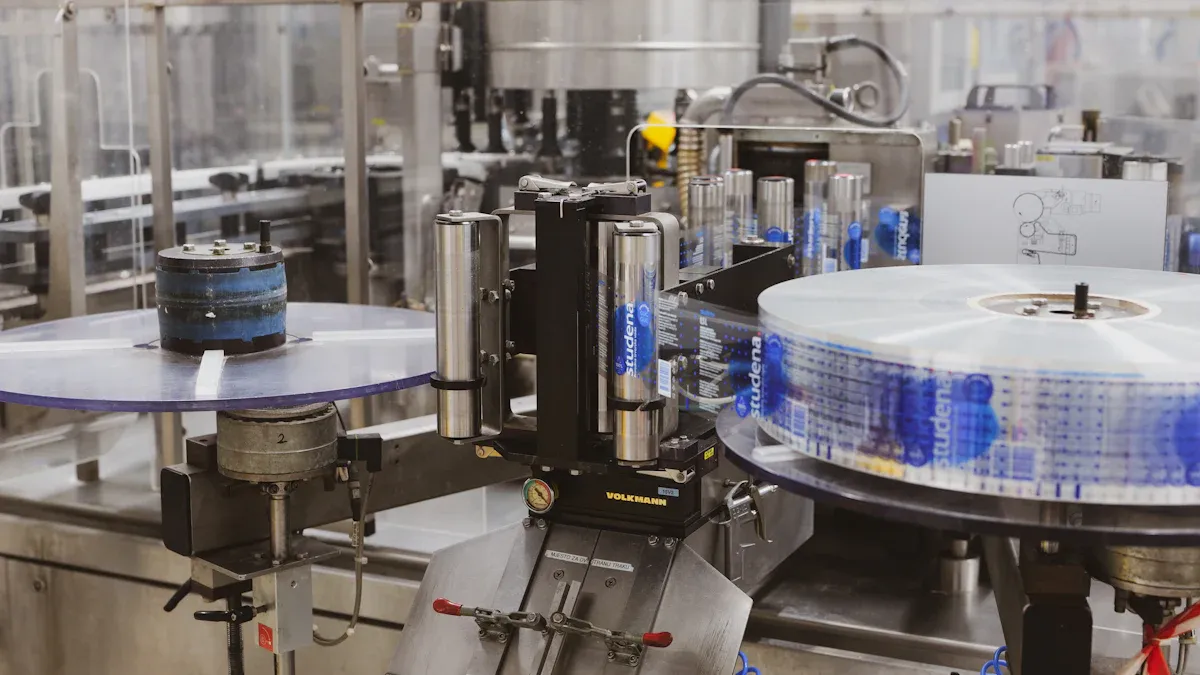
Precision machining plays a vital role in shaping modern industries. It enables you to create highly accurate components that drive innovation. By enhancing manufacturing processes, you solve challenges like inefficiency and waste. This technology ensures consistent quality and precision, helping industries meet global demands and stay competitive in a fast-evolving market.
Key Takeaways
- Fast machining increases production speed and keeps good quality. Keeping machines in good shape helps get the best results.
- Robots and automation make work faster and safer in machining. They help avoid mistakes and save money on running costs.
- Using smart tech like IoT and AI helps watch machines live. It also predicts problems early to save time and work better.
Innovations in Precision Machining
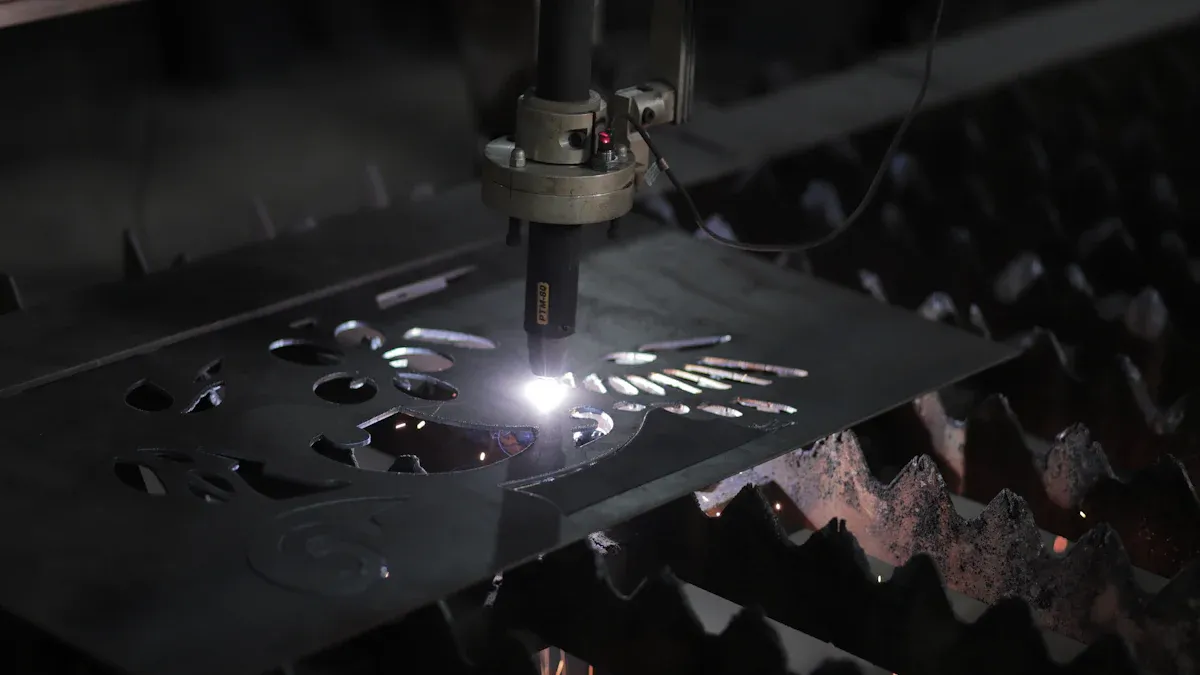
Precision machining has undergone remarkable advancements, transforming how industries manufacture components. These innovations enhance efficiency, accuracy, and scalability, enabling you to meet the demands of modern production. Below are some of the most impactful developments in this field.
High-Speed Machining
High-speed machining (HSM) has revolutionized the manufacturing process. By using advanced cutting tools and optimized speeds, you can achieve faster production rates without sacrificing quality. HSM minimizes heat generation, reducing wear on tools and extending their lifespan. This method is ideal for industries requiring high precision, such as aerospace and electronics.
Tip: To maximize the benefits of high-speed machining, ensure your equipment is calibrated and maintained regularly.
Automation and Robotics
Automation and robotics have become essential in precision machining. Robotic arms and automated systems allow you to perform repetitive tasks with unmatched accuracy. These technologies reduce human error and improve production consistency. For example, robotic systems can handle delicate components in the healthcare industry, ensuring precise results every time.
-
Benefits of Automation in Precision Machining:
- Increased productivity.
- Enhanced safety for workers.
- Lower operational costs over time.
IoT and AI Integration
The integration of the Internet of Things (IoT) and Artificial Intelligence (AI) has brought intelligence to precision machining. IoT-enabled machines collect real-time data, helping you monitor performance and detect issues early. AI algorithms analyze this data to optimize processes and predict maintenance needs.
Imagine a machining system that alerts you before a tool fails or suggests adjustments to improve efficiency. This level of connectivity ensures smoother operations and reduces downtime.
Additive Manufacturing
Additive manufacturing, commonly known as 3D printing, complements traditional precision machining. It allows you to create complex geometries that were previously impossible with subtractive methods. This technology is particularly useful for prototyping and small-batch production.
For instance, in the automotive industry, additive manufacturing helps you produce lightweight yet durable components. By combining it with precision machining, you can achieve a perfect balance of speed and accuracy.
Note: While additive manufacturing is versatile, it works best when paired with traditional machining for finishing and fine-tuning.
Industry Applications of Precision Machining
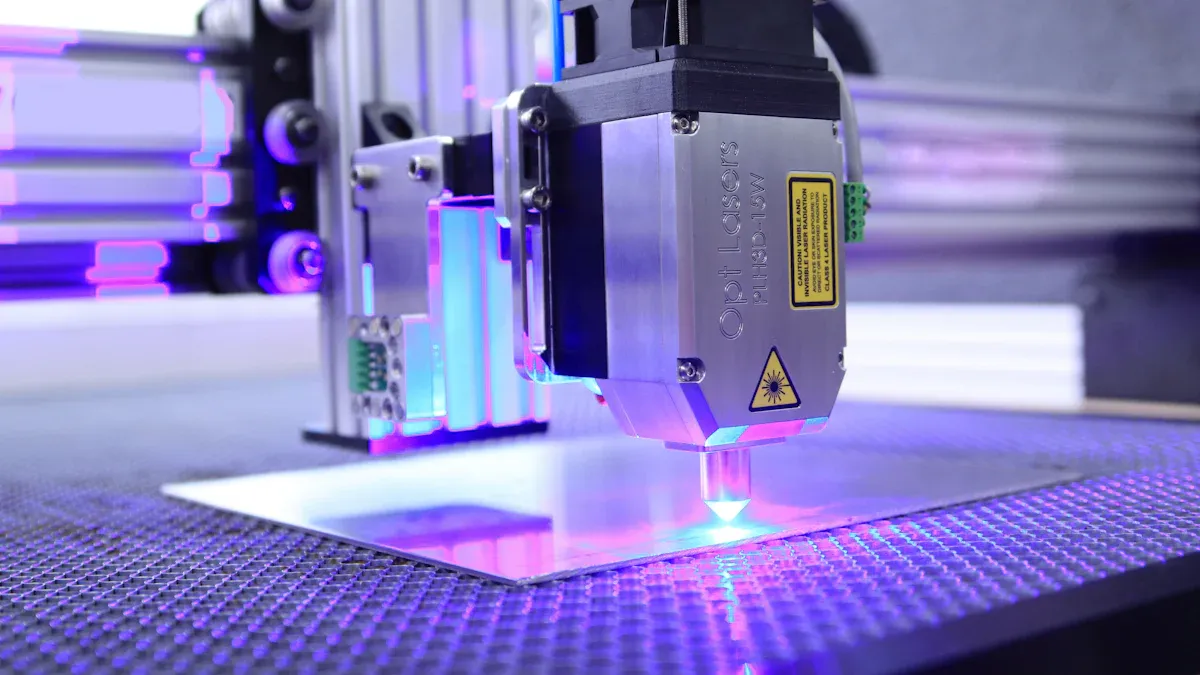
Precision machining has transformed industries by enabling the creation of highly accurate components. Its applications span diverse sectors, each benefiting from its ability to meet specific demands. Below, you’ll explore how precision machining drives advancements in aerospace, healthcare, electronics, and automotive industries.
Aerospace Advancements
In aerospace, precision machining ensures the production of lightweight yet durable components. You can manufacture parts like turbine blades, engine housings, and structural elements with extreme accuracy. This level of precision is critical for maintaining safety and performance in aircraft.
Modern aerospace designs demand materials like titanium and composites, which are challenging to machine. Precision machining techniques, such as high-speed machining and multi-axis CNC systems, allow you to work with these materials efficiently.
Fun Fact: The aerospace industry relies on tolerances as tight as 0.0001 inches for certain components. Precision machining makes this possible.
Healthcare Innovations
Precision machining plays a vital role in healthcare by enabling the production of medical devices and implants. You can create tools like surgical instruments, prosthetics, and dental implants with unmatched accuracy. These components must meet strict standards to ensure patient safety and effectiveness.
For example, precision machining allows you to manufacture custom implants tailored to individual patients. This capability improves outcomes and reduces recovery times. Additionally, advancements like micro-machining help you produce intricate devices for minimally invasive procedures.
-
Key Benefits in Healthcare:
- Enhanced patient care through tailored solutions.
- Improved reliability of medical devices.
- Support for cutting-edge treatments.
Electronics Miniaturization
The electronics industry thrives on miniaturization, and precision machining is at the heart of this trend. You can produce tiny components like connectors, circuit boards, and casings with exceptional detail. These parts are essential for devices like smartphones, wearables, and IoT gadgets.
Precision machining ensures that these components fit perfectly and function reliably. Techniques like laser machining and micro-milling help you achieve the required level of detail. As electronics continue to shrink, precision machining will remain indispensable.
Tip: When machining electronic components, focus on maintaining clean environments to prevent contamination.
Automotive Progress
The automotive industry benefits greatly from precision machining. You can produce critical components like engine parts, transmission systems, and safety features with high accuracy. This ensures optimal performance and reliability for vehicles.
Precision machining also supports the shift toward electric vehicles (EVs). You can manufacture lightweight components and intricate battery housings that improve efficiency. By combining traditional machining with additive manufacturing, you can meet the demands of modern automotive designs.
-
Applications in Automotive:
- Enhanced fuel efficiency through lightweight parts.
- Improved safety with precise manufacturing of airbags and braking systems.
- Support for EV innovation with advanced battery components.
Sustainability and Challenges in Precision Machining
Green Machining Practices
Sustainability has become a priority in precision machining. You can adopt green machining practices to reduce environmental impact. These include using biodegradable cutting fluids, recycling scrap materials, and optimizing energy consumption. By implementing these methods, you minimize waste and lower carbon emissions.
Energy-efficient machines also play a key role. They consume less power while maintaining high performance. For example, switching to LED lighting in workshops reduces energy usage significantly.
Tip: Start small by replacing traditional lubricants with eco-friendly alternatives. This simple change can make a big difference over time.
Addressing Labor Shortages
Labor shortages challenge the growth of precision machining. You can overcome this by investing in training programs and automation. Training equips workers with the skills needed to operate advanced machinery. Automation fills gaps by handling repetitive tasks efficiently.
Robotic systems and CNC machines reduce dependency on manual labor. They also improve productivity and consistency. By combining skilled workers with automated systems, you create a balanced workforce that meets production demands.
-
Quick Solutions for Labor Shortages:
- Offer apprenticeships to attract young talent.
- Use online platforms to provide remote training.
- Upgrade machinery to reduce reliance on manual processes.
Financial Investments in Technology
Precision machining requires significant financial investments in technology. Advanced equipment, such as multi-axis CNC machines, improves efficiency but comes with high upfront costs. You can offset these expenses by focusing on long-term benefits like reduced waste and faster production.
Government grants and industry partnerships can help fund these investments. Leasing equipment is another option to manage costs while staying competitive.
Note: Prioritize technologies that align with your production goals. This ensures maximum return on investment.
Future Trends in Precision Machining
Nanotechnology and Micro-Machining
Nanotechnology and micro-machining are redefining precision machining. These techniques allow you to create components at an incredibly small scale, often measured in nanometers. This level of precision is essential for industries like electronics and healthcare, where miniaturization drives innovation.
For example, micro-machining enables you to produce intricate parts for medical devices, such as stents and sensors. Nanotechnology enhances material properties, making components stronger and more resistant to wear.
Tip: To explore nanotechnology, start by researching materials like graphene and carbon nanotubes. These materials offer exceptional strength and conductivity.
Predictive Maintenance
Predictive maintenance uses data and analytics to prevent equipment failures. By monitoring machine performance, you can identify issues before they cause downtime. Sensors collect real-time data, which AI systems analyze to predict maintenance needs.
This approach saves you time and money. Instead of waiting for a breakdown, you can schedule repairs proactively. Predictive maintenance also extends the lifespan of your equipment, ensuring consistent production quality.
-
Benefits of Predictive Maintenance:
- Reduced operational costs.
- Improved machine reliability.
- Minimized production delays.
Emerging Industry Applications
Precision machining continues to find new applications across industries. In renewable energy, you can manufacture components for wind turbines and solar panels with high accuracy. In biotechnology, precision machining supports the development of lab-on-a-chip devices for advanced diagnostics.
The defense sector also benefits from precision machining. You can produce lightweight armor and advanced weapon systems that enhance safety and performance. These emerging applications highlight the versatility of precision machining in addressing modern challenges.
Note: Stay updated on industry trends to identify opportunities for innovation. Adapting to new applications ensures long-term growth and competitiveness.
Precision machining transforms industries by enabling innovation and efficiency. Investing in advanced and sustainable technologies ensures you stay competitive in a changing market.
Tip: Embrace future-ready solutions like IoT and AI to optimize production and reduce downtime. These tools prepare you for long-term success in global manufacturing.