2026 Top Trends in Cnc Machine Mechanical Parts Innovations?
In the world of manufacturing, CNC (Computer Numerical Control) technology continues to evolve. Innovations in CNC machine mechanical parts pave the way for increased efficiency and precision. These components are the backbone of modern machinery, impacting production quality significantly.
As we approach 2026, several trends emerge in the realm of CNC machine mechanical parts. Advances in materials, such as lightweight alloys and composites, are key. These materials enhance performance but introduce new challenges for manufacturers. The shift towards automation and smart factories also demands redesigned parts that optimize connectivity and data integration.
The future of CNC machine mechanical parts is not without its uncertainties. While technology may provide creative solutions, some innovations could complicate maintenance and repair. Industries must carefully evaluate new components for longevity and compatibility. Balancing innovation with practical implementation remains a crucial task for manufacturers as they navigate these changes.
Emergence of Advanced Materials in CNC Machine Parts Production
The landscape of CNC machine parts production is shifting dramatically. Advanced materials are at the forefront of this transformation. Innovations in materials science have made it possible to create components that are lighter, stronger, and more durable. For instance, composite materials are now being used more frequently. These materials can withstand higher temperatures and resist corrosion better than traditional metals.
However, the journey is not without challenges. The integration of these new materials can complicate manufacturing processes. Issues such as material compatibility and machining techniques must be addressed. Designers and engineers must rethink their approaches and adapt. It can lead to unexpected outcomes during the production stages, which often requires re-evaluation and adjustment.
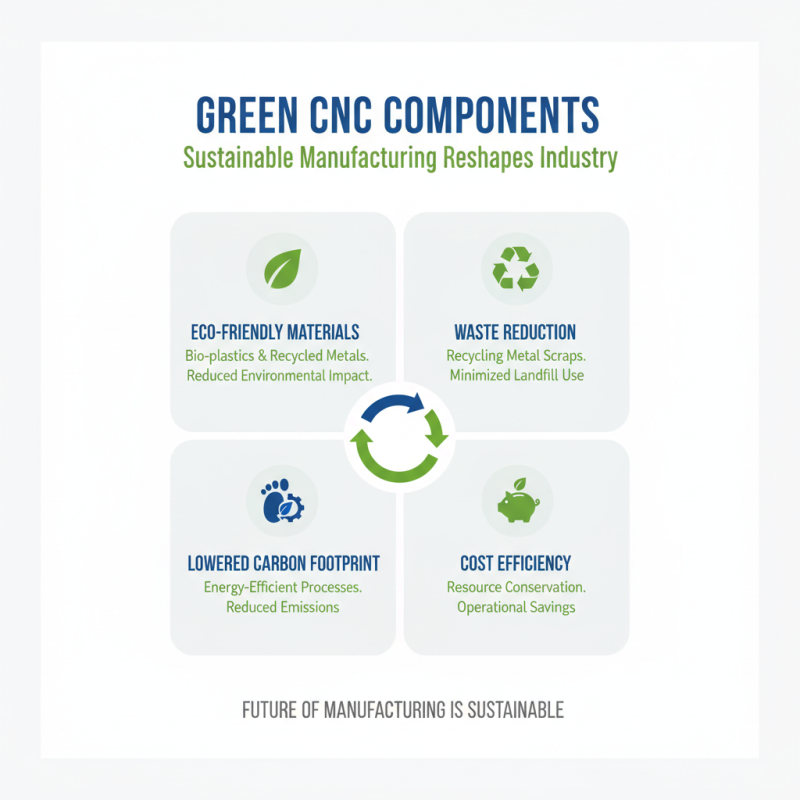
Sustainability also plays a vital role in selecting materials. The industry increasingly prioritizes eco-friendly options, yet sourcing these materials can be problematic. Balancing performance and environmental impact remains a focus for many. As the sector evolves, continuous innovation will certainly present both opportunities and obstacles. Embracing these advances is crucial, but it demands careful consideration and flexibility in operations.
2026 Top Trends in CNC Machine Mechanical Parts Innovations
Integration of AI and Machine Learning in CNC Machining Processes
The integration of AI and machine learning in CNC machining processes is transforming the industry. These technologies are enhancing precision and efficiency in operations. With AI-driven algorithms, CNC machines can analyze data in real-time. This leads to better decision-making and faster production times. Operators no longer need to micromanage every step; machines learn and adapt.
However, reliance on technology brings challenges. Not all operators are trained to work with advanced systems. The learning curve can be steep for some. Additionally, systems can malfunction, leading to downtime. Predictive maintenance powered by AI can minimize these issues but requires investment. Adaptation and training remain crucial.
Understanding the balance between innovation and skill is vital. As machines become smarter, human insight is still required. Finding this equilibrium may take time. Embracing change while addressing gaps in knowledge is essential for successful integration. The road ahead holds promise, yet it demands careful navigation.
Innovations in Automation and Robotics for CNC Equipment Efficiency
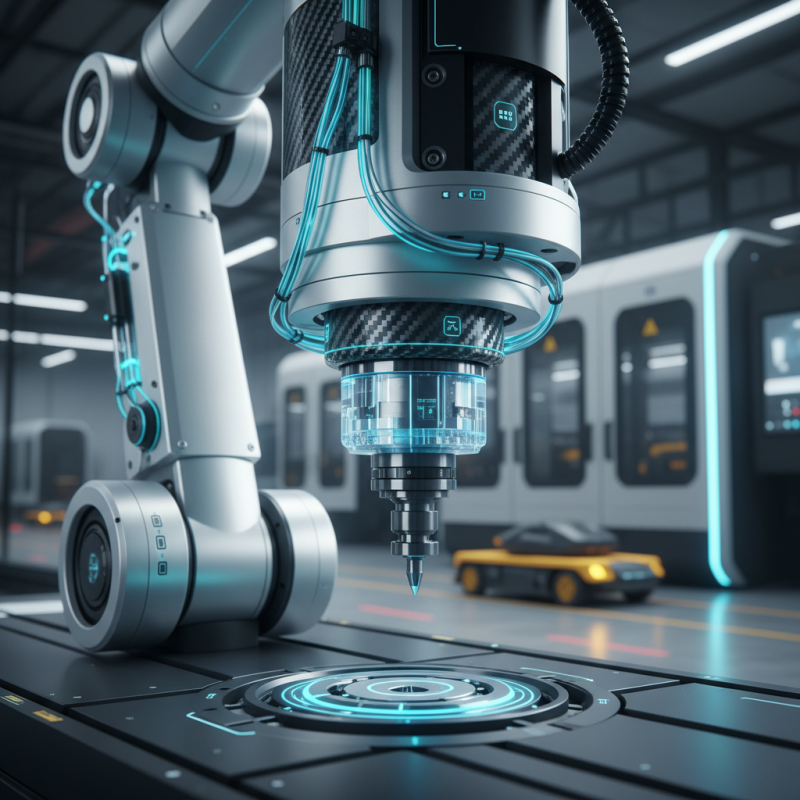
The world of CNC machine innovations is rapidly evolving. Automation and robotics play crucial roles in enhancing equipment efficiency. These advancements reduce manual labor and increase precision. In 2026, we expect to see greater integration of smart robotics in CNC operations. Robots can perform tasks like loading materials, which streamlines production processes.
However, implementing such technologies isn't flawless. Challenges in compatibility with existing systems can arise. Not all CNC machines are ready for automation integration, leading to unexpected hiccups. Training staff to work alongside robotics is another hurdle. They must adapt to new workflows and potential downtime during the transition.
The push for automation is not without its limits. Cost considerations can hinder small businesses from adopting these innovations. Finding a balance between technology and human input is essential. While automation increases efficiency, we must also reflect on its impact on the workforce. Striking this balance will be key as we navigate the future of CNC machining.
Impact of 3D Printing Technology on CNC Mechanical Part Design
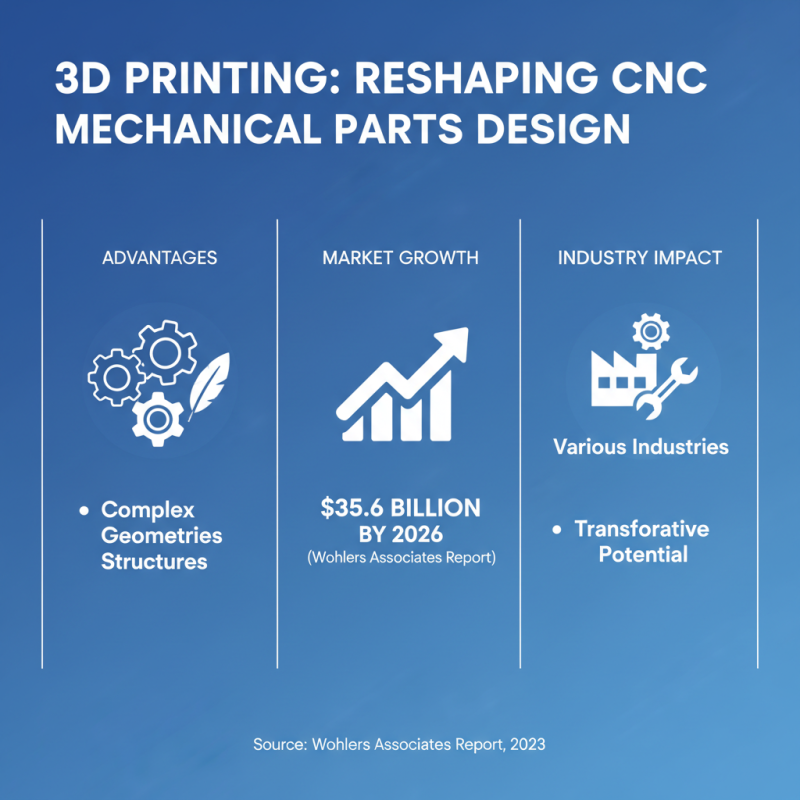
The rise of 3D printing technology is reshaping the design landscape for CNC mechanical parts. It allows for more complex geometries and lightweight structures that traditional manufacturing methods cannot achieve. According to a recent report by Wohlers Associates, the additive manufacturing market is expected to grow to $35.6 billion by 2026. This rapid growth underscores the transformative potential of 3D printing in various industries.
CNC machining and 3D printing are becoming more intertwined. Designers can create prototypes rapidly, reducing the time from concept to production. However, challenges remain. Implementing 3D printing requires new skill sets and understanding of materials. Some designs that work well in CAD may not translate effectively into physical parts. Moreover, the finishing processes still require traditional machining to meet high tolerance standards. Reports suggest that about 40% of manufacturers are unsure how to integrate these technologies effectively.
The impact of 3D printing also extends to cost management. While initial investments can be high, the potential for reduced waste and lower manufacturing costs is significant. A study by Deloitte reported that 94% of companies see 3D printing as a strategic approach to reduce costs in their operations. However, not every part benefits from this technology. Designers must carefully consider material properties and production methods to find a balance between innovation and practicality.


 0086-15925850312

 CONTACT NUMBER