Top 10 Benefits of Magnesium Die Casting in Manufacturing Processes?
The manufacturing industry is always evolving, and one noteworthy trend is "Magnesium Die Casting." This technique offers numerous advantages, making it a favorite among manufacturers. According to Dr. Emily Carter, a leading expert in die casting, "Magnesium Die Casting is revolutionizing how we approach lightweight components."
Magnesium, known for its lightweight and strength, is becoming increasingly popular. This method enhances product durability while reducing costs. With advanced technology, like AI, being integrated into manufacturing processes, the efficiency of "Magnesium Die Casting" has surged.
However, challenges persist. Not all manufacturers can access the latest technologies. Some struggle with the initial investment required for these innovations. Despite these hurdles, the benefits of "Magnesium Die Casting" often outweigh the drawbacks. As the industry grows, reflecting on these challenges will be crucial for forward progress.
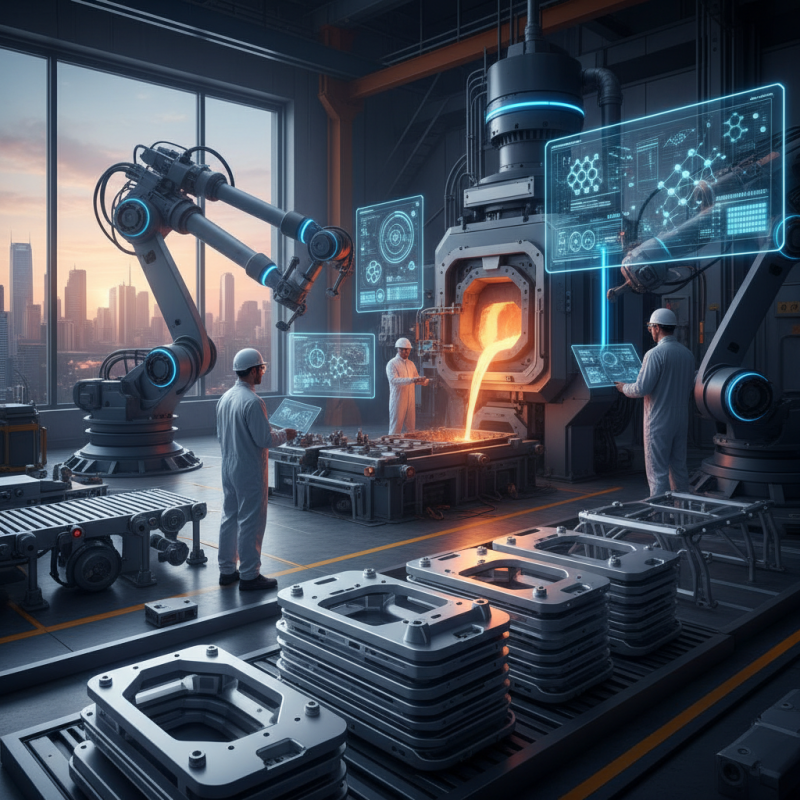
Benefits of Magnesium Die Casting for Lightweight Manufacturing Solutions
Magnesium die casting has gained traction for lightweight manufacturing solutions. This process produces components that significantly reduce the total weight of products. Less weight means easier handling and lower transportation costs. It also enhances performance in applications like automotive and aerospace sectors. Engineers value these lightweight components for their strength-to-weight ratio.
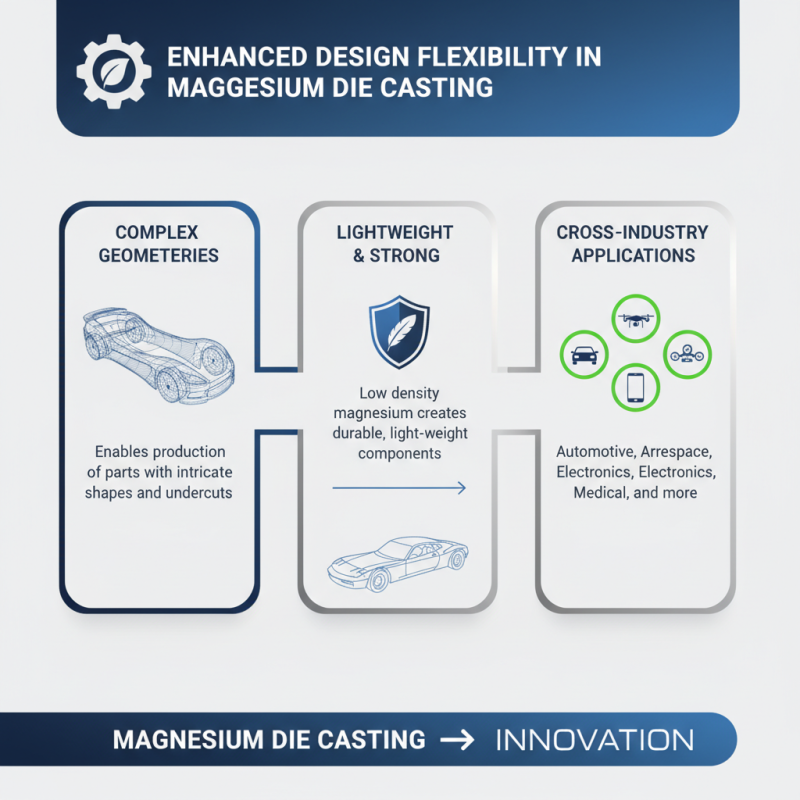
However, some challenges exist. The initial setup costs can be high. There is a learning curve for manufacturers to adapt. Magnesium, though beneficial, can be tricky to work with. It demands precise temperature control to avoid defects. Still, when done right, the results are impressive. Intricate designs with fine details become achievable, offering flexibility in production.
The environmental aspect is noteworthy too. Magnesium casting generates less waste compared to other metals. This aligns with a push for sustainable manufacturing practices. Incorporating magnesium can reduce the carbon footprint of products. Yet, the industry must continuously improve recycling methods for used components. It is a work in progress but shows promise for the future of lightweight manufacturing.
Improved Energy Efficiency in Magnesium Die Casting Processes
Magnesium die casting processes have shown substantial improvements in energy efficiency. This efficiency is not just about lower energy costs. It directly impacts the overall sustainability of manufacturing operations. The lightweight nature of magnesium allows for quicker heating and cooling cycles. This often means reduced energy consumption during the production stages.
Lower energy usage in magnesium die casting can lead to a smaller carbon footprint. Manufacturers can often produce a higher volume with less energy. Yet, challenges remain. For instance, achieving the perfect balance between speed and quality is not always easy. Improving energy efficiency doesn’t happen overnight. It requires consistent efforts and evaluations.
Energy-efficient processes can sometimes lead to overlooked factors. For example, the quality of the finished product might suffer as operations speed up. Manufacturers must reflect on this as they engage in energy-saving practices. A holistic approach is essential. Only by addressing both efficiency and product quality can true advancement be made in magnesium die casting.
Cost-Effectiveness of Magnesium Die Casting in Production
Magnesium die casting is often seen as a cost-effective solution for many manufacturing processes. One of its main advantages is the reduction of material waste. When compared to traditional casting methods, magnesium die casting generates less scrap. This can lead to significant savings over time. Also, shorter production cycles are a highlight of this technique. Quick cycle times mean faster delivery to market, allowing companies to respond to consumer demand efficiently.
However, achieving cost-effectiveness requires careful planning and execution. The initial investment in magnesium die casting equipment can be high. Companies must weigh this cost against potential savings in production. It’s also essential to consider the learning curve associated with the process. Training staff to handle magnesium effectively may incur additional costs. Additionally, companies should remain vigilant about quality control. Flaws in casting can result in higher rejection rates, which negate savings.
Despite these challenges, the overall benefits are compelling. The lightweight nature of magnesium parts can lead to lower shipping costs. Furthermore, its excellent strength-to-weight ratio contributes to energy efficiency in end products. Exploring these factors can guide manufacturers in making informed decisions about adopting magnesium die casting.
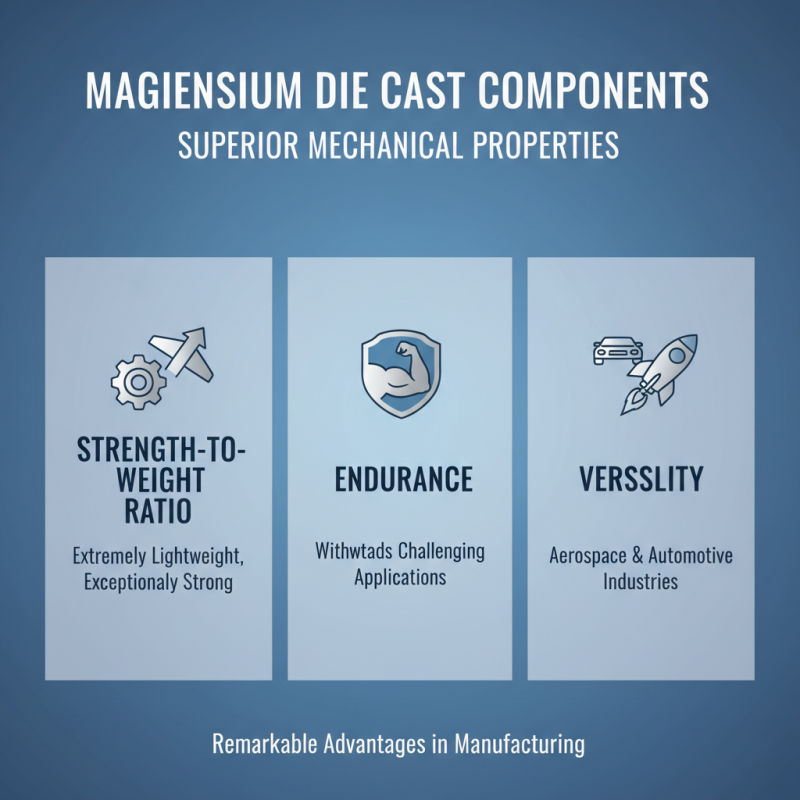
Superior Mechanical Properties of Magnesium Die Cast Components
Magnesium die casting offers remarkable advantages in manufacturing processes. One of its standout features is the superior mechanical properties of the components produced. Magnesium components are known for their excellent strength-to-weight ratio. They are surprisingly lightweight yet strong enough to endure challenging applications. This unique balance makes them ideal for industries ranging from aerospace to automotive.
When looking closely, the benefits extend beyond mere weight savings. Magnesium boasts high dimensional stability, which is crucial for precision parts. Its good thermal conductivity allows for effective heat dissipation in electronics. However, not all magnesium die cast components are equal. Variability in the manufacturing process can lead to defects. Flaws in casting may compromise the expected mechanical properties.
Also, magnesium is more prone to corrosion compared to other metals. This necessitates additional surface treatments for longevity. Although these treatments increase costs, they often pay off in overall performance. Manufacturers must weigh the benefits and drawbacks carefully. Some might overlook these details, but they are key to maximizing the advantages of magnesium die casting.


 0086-15925850312

 CONTACT NUMBER