10 Best High-Pressure Unions for Global Buyers in 2026?
In the fast-evolving world of industrial fittings, "High-Pressure Unions" are gaining significant attention. As experts like Dr. Sarah Thompson, a leading authority in fluid dynamics, state, "The future of High-Pressure Unions lies in their ability to adapt to demanding environments." These fittings are crucial for many applications, from oil and gas to chemical processing.
Support for high-stress systems drives the need for durable and reliable components. Buyers are seeking products that combine performance and safety. The importance of choosing the right High-Pressure Unions cannot be overstated. Faulty unions can lead to costly failures or even accidents. Thus, understanding the nuances of these products is vital.
There are numerous choices available, but not all High-Pressure Unions are created equal. Innovation and technology are reshaping this landscape. Buyers must consider factors beyond just price. Quality, material, and compatibility play key roles. Navigating this industry requires a deep dive into technical specifications. Overall, while prospects are promising, challenges remain. A careful approach is necessary for successful procurement.
Overview of High-Pressure Unions and Their Applications
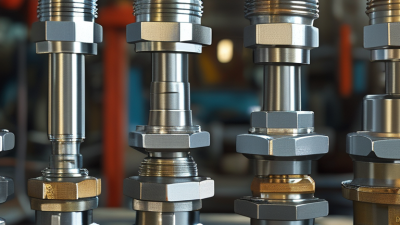
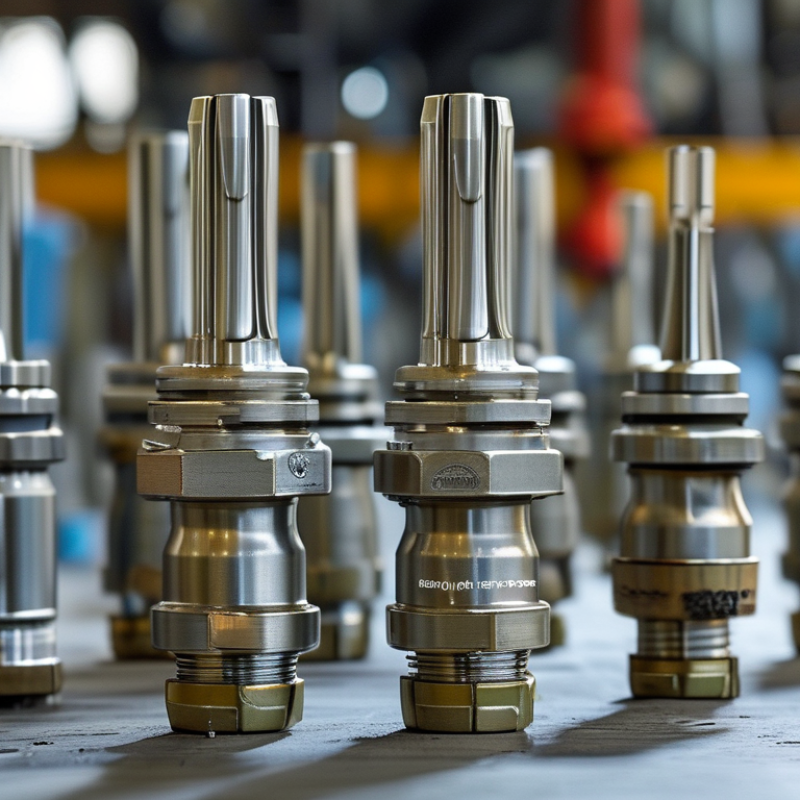
High-pressure unions are crucial components in various industrial applications. These fittings securely connect pipes and tubes, ensuring a leak-proof system. Their design must withstand extreme pressures while allowing for safe disassembly. Industries like oil and gas, chemical processing, and aerospace rely heavily on these unions.
In applications that involve high-temperature and high-pressure environments, selecting the right union is vital. The materials used must resist corrosion and thermal expansion. Stainless steel, brass, and specialized alloys are common choices. However, achieving the perfect balance between flexibility and strength can be challenging. Potential failures often arise from incorrect material selection or installation errors.
Furthermore, users sometimes overlook the maintenance required for high-pressure unions. Regular inspections are necessary to identify wear and prevent leaks. These unions experience significant stress, making their upkeep paramount. Adopting a proactive maintenance schedule can enhance longevity. Knowing when to replace these components can improve safety and efficiency in operations.
Key Factors to Consider When Selecting High-Pressure Unions
When selecting high-pressure unions, several key factors come into play. First, ensure the material meets your specific requirements. Common materials include stainless steel and carbon steel. Each material has its own strengths and weaknesses. Consider the nature of the fluid or gas that will flow through the union. Corrosion resistance is crucial for long-term reliability.
Another vital aspect is the pressure rating. Unions must match the pressure levels of your system. Overlooking this can lead to catastrophic failures. Look for unions that can withstand at least 25% more pressure than your system's maximum. This extra margin can enhance safety and performance.
Tips for choosing high-pressure unions include checking certifications and testing standards. Ensure the union complies with industry regulations. Peer reviews or expert opinions can guide your choices effectively. Look for unions with a proven track record in similar applications. This can save time and reduce risks. Always consider the installation process as well. A complex setup can lead to errors and inefficiencies.
10 Best High-Pressure Unions for Global Buyers in 2026
| Material |
Max Pressure (psi) |
Temperature Range (°F) |
Connection Type |
Size Range (inches) |
Compliance Standards |
| Stainless Steel |
10,000 |
-50 to 450 |
Welded |
1 to 6 |
ASME, API |
| Carbon Steel |
6,000 |
-20 to 300 |
Threaded |
1/2 to 4 |
ASTM, ANSI |
| Brass |
4,000 |
-40 to 250 |
Soldered |
1/4 to 3 |
ISO, DIN |
| Plastic |
2,500 |
-10 to 180 |
Socket |
1/2 to 6 |
FDA, NSF |
| Monel |
15,000 |
-50 to 400 |
Flanged |
1 to 10 |
NACE, ASTM |
| Copper-Nickel |
5,500 |
-40 to 300 |
Seamless |
1/4 to 4 |
ISO, ASME |
| Inconel |
20,000 |
-400 to 1200 |
Welded |
1 to 8 |
ASTM, NACE |
| Titanium |
18,000 |
-320 to 800 |
Flanged |
1 to 12 |
ASTM, ASME |
| PVC |
1,500 |
-20 to 140 |
Socket |
1 to 6 |
FDA, ANSI |
Top 10 High-Pressure Unions for Global Markets in 2026
High-pressure unions play a vital role in numerous industries, from oil and gas to manufacturing. As we approach 2026, understanding the current market trends is essential for global buyers. High-pressure unions must be durable and able to withstand intense pressure. They are central to ensuring the safety and efficiency of critical systems.
When selecting high-pressure unions, consider the materials used in their construction. Common options include stainless steel, which offers corrosion resistance, and carbon steel for its strength. Pay attention to the design and size specifications, which greatly affect performance. Some buyers may find it challenging to balance cost and quality. In this evolving market, staying informed about innovations is crucial.
Global buyers should also reflect on their sourcing strategies. Availability can fluctuate based on geopolitical factors and supply chain disruptions. Pricing can vary widely based on demand and raw material sourcing. It’s vital to verify the reliability of suppliers. A strong relationship with manufacturers may yield better support and product insight. Emphasizing quality over cost can prevent future complications.
Comparison of Materials Used in High-Pressure Unions
High-pressure unions play a critical role in various industries, ensuring secure connections under extreme conditions. Materials used in these unions significantly influence their performance and durability. Common materials include stainless steel, carbon steel, and specialty alloys. Stainless steel is known for its corrosion resistance, making it ideal for chemical processing applications. However, it can be expensive and may not provide the best mechanical strength in high-temperature environments.
Carbon steel, often used for lower-cost options, offers good tensile strength. It is suitable for applications in oil and gas sectors, though it faces limitations in corrosive settings. An industry report from the American Society of Mechanical Engineers (ASME) notes that improper material selection can lead to catastrophic failures, emphasizing the necessity of rigorous testing and evaluation.
Specialty alloys, like Inconel, are chosen for extreme temperature environments. These materials address challenges like thermal fatigue and oxidation. According to the Materials Technology Institute, the demand for high-pressure unions made of these advanced materials is growing exponentially, with projections indicating a market shift toward more durable options by 2026. Despite technological advancements, some manufacturers still struggle with quality control, leading to inconsistent product performance—a point that requires reflection.
Future Trends in High-Pressure Union Technology and Design
The future of high-pressure union technology is showing remarkable potential. Emerging trends indicate a shift towards enhanced durability and performance in extreme conditions. Many manufacturers are exploring advanced materials that can withstand harsh environments. This innovation not only prolongs the lifespan but also ensures safety in critical applications.
Design improvements are also on the horizon. Simplified assembly processes will likely emerge, allowing for quicker installation and maintenance. User-friendly designs are becoming essential as industries demand efficiency. However, some designs might still face challenges in adaptability across various systems. Engaging with feedback from operational sites could enhance future designs.
As we look ahead, it’s clear that the focus will be on sustainability. Eco-friendly materials and production methods are gaining traction. Yet, balancing performance with environmental concerns remains a complex issue. Stakeholders must be prepared to confront these challenges while striving for innovative solutions.
Global High-Pressure Union Market Trends (2026)


 0086-15925850312

 CONTACT NUMBER