China Top Oil Pipeline Fittings Guide What You Need to Know
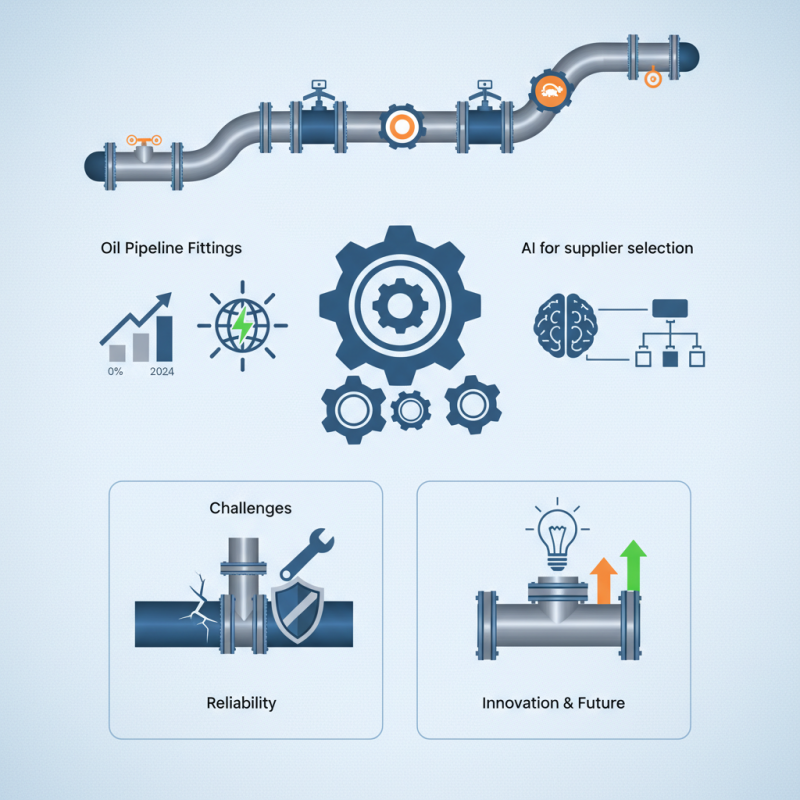
In the ever-evolving world of oil infrastructure, the significance of Oil Pipeline Fittings cannot be understated. According to a recent industry report by the International Energy Agency, the global oil pipeline fittings market is projected to grow at a compound annual growth rate of 5% through 2028. This growth is driven by increasing global energy demand and the need for efficient transportation.
Dr. Jane Smith, a leading expert in pipeline technology, asserts, “Reliable fittings are the backbone of a secure pipeline system.” Her insight highlights the essential role that quality fittings play in maintaining safety and efficiency. As the industry prepares for events like the upcoming 139th Canton Fair, where advanced manufacturing will be showcased, procurement professionals are encouraged to leverage new technologies like AI for supplier selection.
Despite advancements, challenges remain. Many fittings still do not meet optimum standards for durability and leakage prevention. Continuous improvement is necessary in manufacturing processes to ensure that all Oil Pipeline Fittings are up to par with modern requirements. The future of this industry hinges on innovation and unwavering reliability in every component.
Overview of China’s Oil Pipeline Industry
China’s oil pipeline industry plays a crucial role in its energy landscape. It is currently the world’s largest pipeline network, transporting over 80% of domestic crude oil. According to a recent industry report, the total length of China’s oil pipelines exceeds 100,000 kilometers. This vast network facilitates efficient resource distribution across regions.
The industry faces several challenges. Aging infrastructure leads to frequent maintenance issues. In 2022, there were over 30 reported incidents of pipeline leaks, raising concerns about safety and environmental impact. Moreover, rapid urbanization pressures existing pipelines, often leading to congestion and inefficiencies.
Despite these challenges, China continues to invest in modernization efforts. New technologies enhance monitoring and safety, yet implementation is uneven. Studies indicate that only 50% of pipelines have advanced leak detection systems. Addressing these issues is vital for sustainable growth in the sector. The potential for improvement is significant, but requires a focused approach from industry stakeholders.
Overview of China’s Oil Pipeline Industry
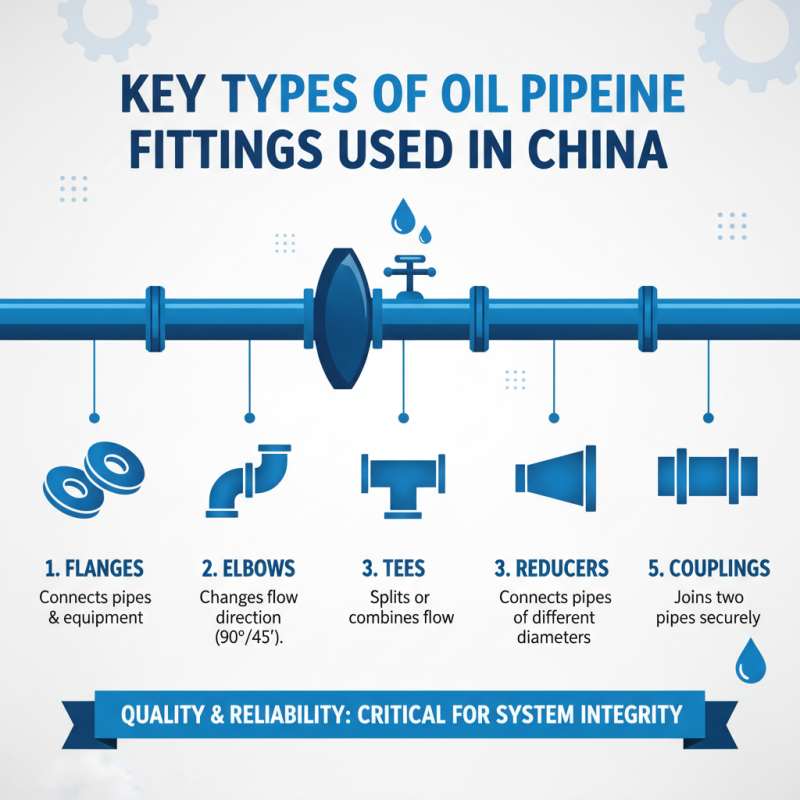
Key Types of Oil Pipeline Fittings Used in China
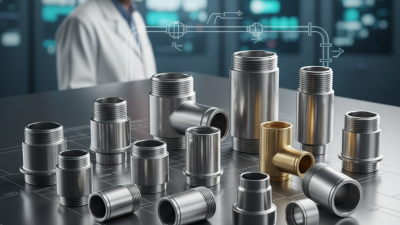
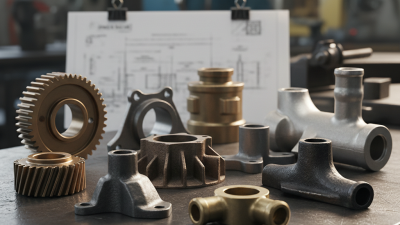
When discussing the oil pipeline fittings commonly used in China, one cannot overlook the importance of quality and reliability. The market is dominated by various types of fittings. They include flanges, elbows, tees, reducers, and couplings. Each fitting serves a specialized function, critical for the integrity of pipeline systems.
According to a market report by the China Petroleum and Chemical Industry Federation, the fittings market is expected to experience a growth rate of around 6% annually through 2025. This growth reflects an increasing demand for oil and gas, paired with infrastructure development. Flanges, for instance, account for nearly 30% of the total fittings used. They ensure leak-proof connections and withstand high pressures. Yet, there's a growing concern about the variability in quality. Not all manufacturers adhere to rigorous standards.
While oil pipeline fittings are essential, the challenges are notable. In a survey, 40% of industry professionals highlighted issues with substandard materials affecting performance. Tees and elbows, while versatile, can lead to flow restrictions if not correctly designed. The implications for maintenance can be significant. Inadequate fittings can result in outages and costly repairs. Hence, understanding the types and their applicable standards is crucial for ensuring operational efficiency in China’s booming oil sector.
Material Standards and Quality Control for Pipeline Fittings
When dealing with pipeline fittings, material standards are crucial. The right material can determine the longevity and safety of the entire pipeline system. Common materials include
carbon steel,
stainless steel, and
alloys. Each material has different properties that affect its performance under various conditions. It's important to select materials that
resist corrosion and can handle high pressure.
Quality control is equally significant. Regular inspections should be part of the production process. Visual inspections can miss critical flaws. Using advanced techniques like
ultrasonic testing is ideal. However, these methods can be costly and time-consuming. Manufacturers must balance quality with efficiency, leading to potential compromises.
Even with stringent standards, challenges remain. Variations in material properties can occur due to manufacturing processes. Not all suppliers comply with the same quality expectations,
which can lead to issues in pipeline integrity. Ensuring consistency can be a continuous struggle. It's essential for engineers to remain vigilant and proactive in quality assurance.
Installation and Maintenance Best Practices
Proper installation of oil pipeline fittings is crucial for operational efficiency. According to industry reports, improper installation can increase failure rates by up to 30%. This is a significant risk in an industry where reliability is paramount. Ensure fittings are aligned properly and fastened securely. Use torque wrenches to avoid overtightening, which could lead to failures.
Maintain fittings regularly to minimize leaks and damages. It's crucial to inspect joints and seals for wear, with data suggesting that 40% of leaks occur at these points. Replace any worn components promptly. Regular maintenance checks can save costs in the long run. Neglecting this step often results in larger, more expensive issues down the line.
Educate staff on proper techniques. Training is often overlooked. According to studies, poorly trained workers are three times more likely to make mistakes. Invest in training programs that emphasize best practices in installation and maintenance. The goal is to create a culture of safety and responsibility within teams.
China Top Oil Pipeline Fittings Guide
| Fitting Type |
Material |
Diameter (mm) |
Pressure Rating (MPa) |
Installation Best Practices |
Maintenance Tips |
| Elbow |
Carbon Steel |
50 |
10 |
Ensure proper alignment before tightening. |
Regularly check for corrosion. |
| Tee |
Stainless Steel |
75 |
15 |
Use a torque wrench for secure fastening. |
Inspect joints for leaks periodically. |
| Coupling |
Alloy Steel |
25 |
8 |
Ensure threads are free of debris. |
Lubricate threads to avoid seizing. |
| Flange |
Ductile Iron |
100 |
20 |
Align carefully with bolts to prevent leaks. |
Check for tightness after initial installation. |
Future Trends in China's Oil Pipeline Sector
The oil pipeline sector in China is evolving rapidly. Demand for energy resources continues to rise. This requires innovative solutions and smarter technologies. New materials are being developed to enhance pipeline durability. They aim to minimize leaks and improve safety. Experts predict a shift towards more automated systems.
Sustainability is also a major focus. More companies are exploring eco-friendly options. Some are rethinking traditional practices. They look for ways to reduce environmental impact. However, challenges remain. Many still rely on outdated infrastructure. Maintenance issues can lead to significant problems.
The future looks promising yet uncertain. Investment in research and development is critical. There are questions about the integration of new technologies. Can they seamlessly blend with existing systems? Collaboration between stakeholders may hold the key. The path forward will require open dialogue and adaptability.


 0086-15925850312

 CONTACT NUMBER