How to Choose the Right Die Casting Mold Parts for Your Project?
Choosing the right Die Casting Mold Parts is crucial for any manufacturing project. According to industry expert John Smith, "The quality of your mold parts directly impacts the final product's performance." This highlights the importance of careful selection.
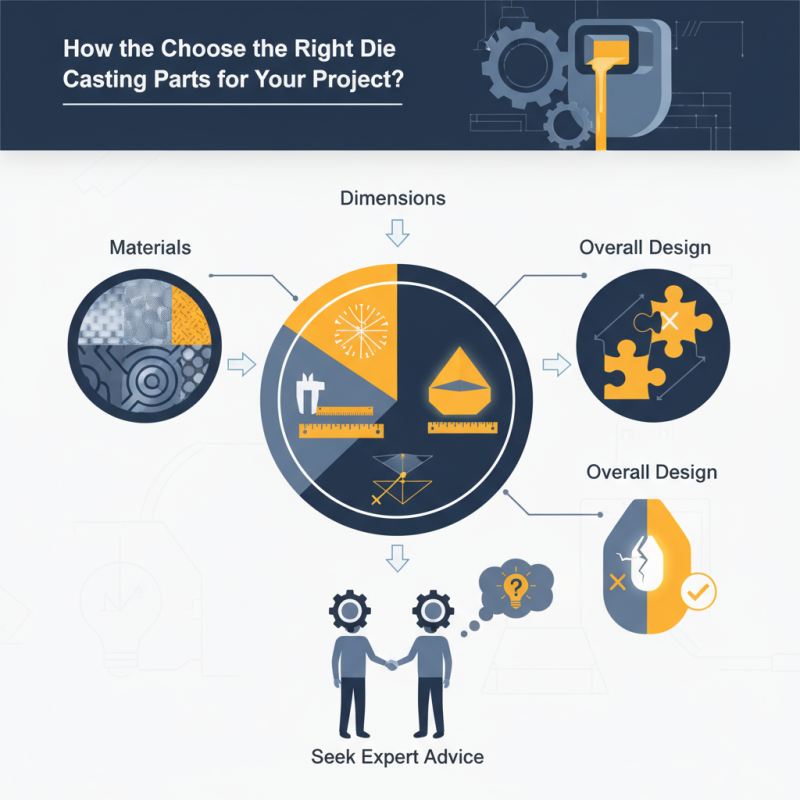
There are various factors to consider in this process. Materials, dimensions, and overall design play significant roles. It's easy to overlook these details, but doing so can lead to costly mistakes. A poorly chosen mold part might compromise product integrity.
When in doubt, seek expert advice. Collaborating with experienced professionals can help navigate this complex landscape. Though the process may be challenging, the right Die Casting Mold Parts can ensure success in your project. Reflect on your choices, as they will determine your outcome.
Understanding the Basics of Die Casting Molds
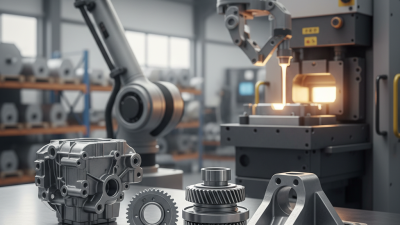
Die casting molds are essential in many manufacturing processes. These molds shape materials into precise forms using high pressure. Understanding the basics of die casting molds is vital for any project. Selecting the right components leads to better outcomes and efficiency.
Mold design impacts the production process. A report by the Die Casting Institute highlights that 75% of production issues stem from mold design flaws. Components must be well thought out. Materials, cooling channels, and venting systems directly affect quality. For instance, inadequate cooling can lead to defects. Reports indicate that defects can increase production costs by over 30%.
Choosing the right materials is complex. Aluminum alloys are popular for their strength-to-weight ratio. In contrast, zinc alloys offer excellent fluidity. Yet, these choices come with trade-offs. They may affect durability or production speed. A poorly chosen mold can necessitate rework, wasting time and resources. Reflections on past projects can illuminate common pitfalls.
Identifying Your Project Requirements for Mold Parts
When embarking on a die casting project, the first step is to define your needs. Understanding the specific requirements is crucial. Consider the type of metal you will use. Different alloys can yield varied results. Then, think about the part's complexity. Some designs are straightforward, while others are intricate.
Next, assess the production volume. Are you planning for large-scale manufacturing or just a few prototypes? This decision impacts the mold design. Pay attention to cooling channels as well. They can affect cycle time and part quality.
Don't overlook tolerances and surface finishes. These factors can drastically change functionality. Sometimes, the ideal specifications may not align with budget constraints. It's essential to find a balance. Reflecting on past projects can provide insight. What worked? What didn’t? Learning from experience helps in making informed choices for your die casting mold parts.
Materials Selection for Durable Die Casting Mold Components
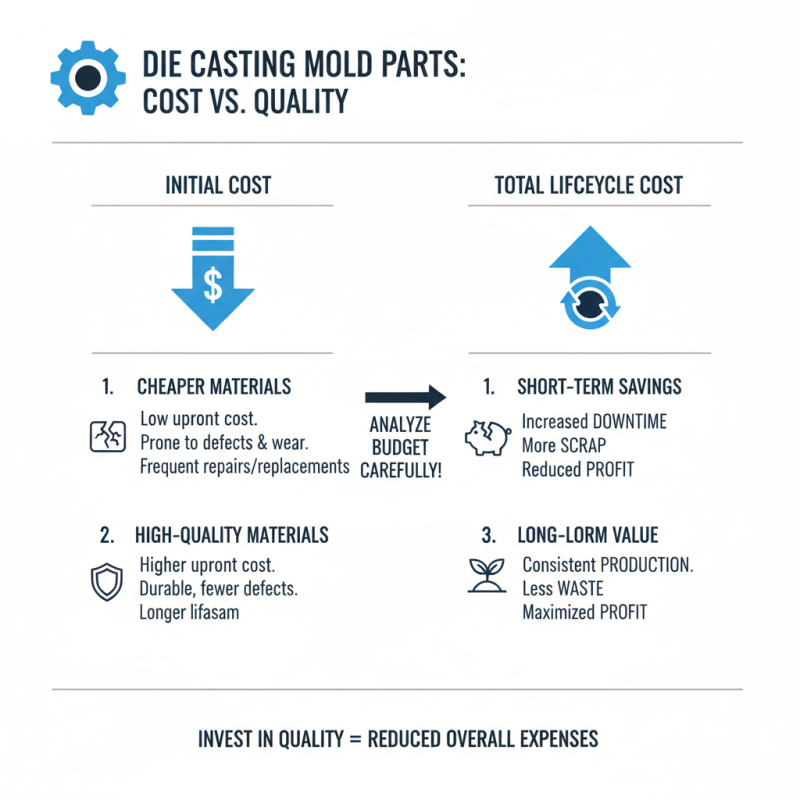
Choosing the right materials for die casting mold components is crucial. Durability is key for long-lasting molds. Aluminum, for example, is commonly used. It offers good strength and lightweight properties. However, it may not withstand very high temperatures. Steel is another option. It can handle extreme conditions but is heavier and pricier.
Consider the mold design and expected production volume. Higher volumes often require tougher materials. There is a trade-off between cost and durability. Some may opt for less expensive materials. This can lead to quicker wear and tear, resulting in frequent replacements.
The finish of the mold also matters. Some materials provide smoother surfaces. A smoother finish results in better casting quality. Yet, achieving such finishes can be challenging. It's essential to evaluate all these factors carefully. Your choice impacts the lifespan and performance of the mold. Remember, the right material today leads to fewer headaches tomorrow.
How to Choose the Right Die Casting Mold Parts for Your Project? - Materials Selection for Durable Die Casting Mold Components
| Material |
Properties |
Applications |
Cost (per kg) |
| Aluminum Alloy |
Lightweight, excellent thermal conductivity, corrosion resistance |
Automotive parts, consumer goods, aerospace components |
$2.50 |
| Zinc Alloy |
High strength, good fluidity, excellent surface finish |
Electronics casings, fittings, toys |
$3.00 |
| Magnesium Alloy |
Very light, high strength-to-weight ratio, good machinability |
Automotive components, electronics, sporting goods |
$4.00 |
| Copper Alloy |
Excellent conductivity, good corrosion resistance |
Electrical components, plumbing fittings, machinery parts |
$6.00 |
| Steel |
High tensile strength, durability, good wear resistance |
Infrastructure, heavy machinery, automotive tools |
$1.50 |
Evaluating Mold Design Features for Optimal Performance
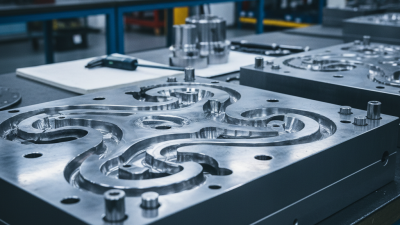
When evaluating mold design features, several aspects can impact the die casting process. Each component must serve a specific purpose. A well-designed mold can enhance the efficiency of production. However, shortcuts in design often lead to significant issues. Attention to details is paramount.
Consider the cooling system within the mold. Effective cooling channels can drastically reduce cycle times. Poorly designed channels may lead to uneven cooling, causing defects. Reflect on the layout of these pathways during the design phase. Moreover, aligning the gates and runners is critical too. Misalignment can hinder material flow, which affects the final product.
Material selection is another vital aspect. The wrong choice can lead to wear and tear. Some materials may not withstand high temperatures. Regular reflection on the performance of materials used is essential for long-term success. Evaluate whether your choices align with project goals. Each decision should focus on refining the overall performance of the mold.
Comparison of Die Casting Mold Design Features


 0086-15925850312

 CONTACT NUMBER