0086-15925850312

Choosing quality Aluminum Cnc Turning Parts requires careful consideration. These parts play a vital role in various industries. Precision and durability are key factors in their performance.
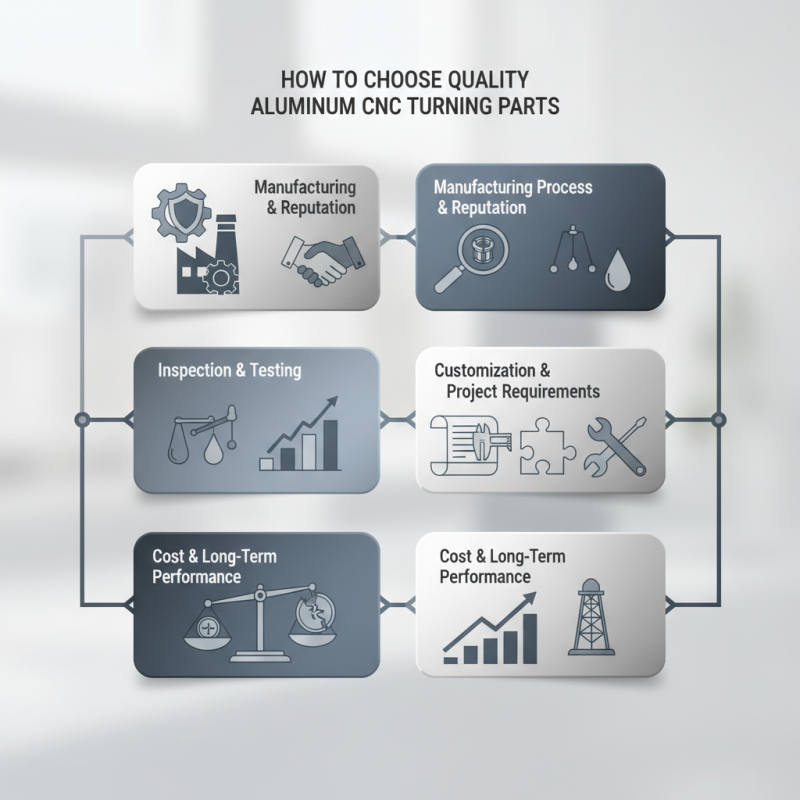
When selecting these parts, it's essential to assess the manufacturing process. Look for manufacturers with a solid reputation. Their experience often reflects in the quality of the final product. Proper inspection and testing procedures are also crucial. This ensures that the parts can withstand rigorous use.
Reflect on the specific requirements of your project. Customization may be necessary to meet your needs. Not every manufacturer offers this flexibility. Sometimes, initial costs can be deceiving. Opting for cheaper parts may lead to higher expenses later due to failures. Take your time and evaluate all options. Quality Aluminum Cnc Turning Parts can significantly influence the success of your project. Choosing wisely is crucial for long-term performance.
Understanding the quality of aluminum CNC turning parts is crucial for various industries.
High-quality parts ensure precision, durability, and performance.
When components are made from quality aluminum, they resist corrosion and wear better than inferior materials.
This can lead to longer-lasting products that require fewer replacements.
The manufacturing process also affects quality. Not every CNC machine produces consistent results.
Factors like tool wear, machine calibration, and operator skill can influence the final product.
Sometimes, parts may appear fine but carry hidden defects. These issues can cause failures in critical applications, which is often overlooked in cost-cutting measures.
Inspections are vital for upholding standards. Ignoring this step can lead to unforeseen failures.
Each part should be checked for dimensions and surface finish.
Consistency is key in any production setup.
Trust your partners and prioritize quality over price alone.
Emphasizing quality may require more upfront investment but helps prevent costly issues later.
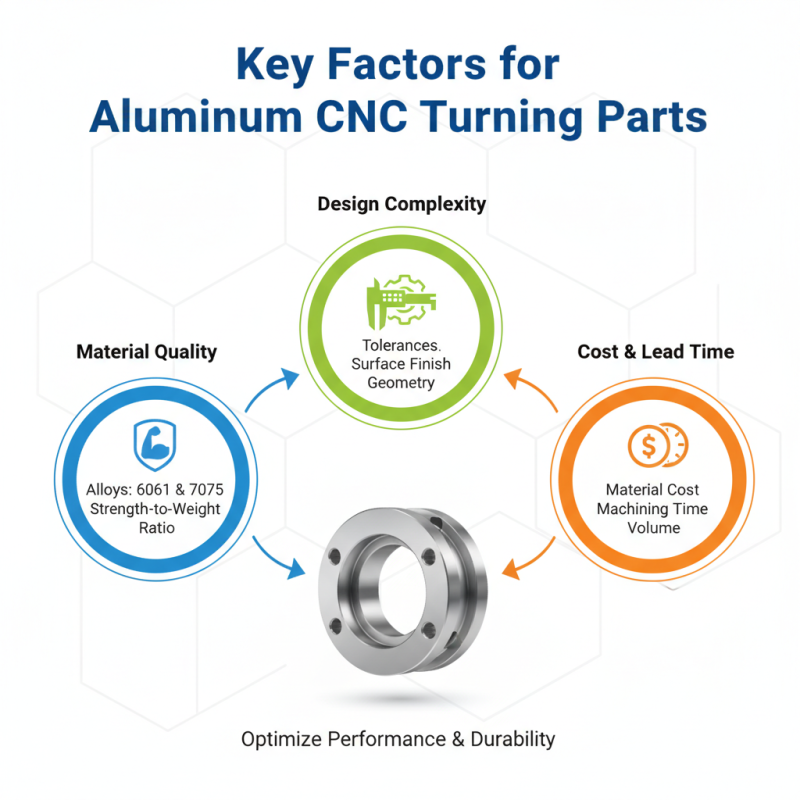
When selecting aluminum CNC turning parts, several key factors require careful consideration. First, the material quality is crucial. Aluminum is lightweight yet sturdy, but not all aluminum alloys are the same. According to industry reports, 6061 and 7075 aluminum alloys are popular due to their favorable strength-to-weight ratios. Understanding the right alloy for your application can significantly impact performance and durability.
Precision is another factor to evaluate. The manufacturing tolerance needs to meet your project's specifications. Many CNC turning services can achieve tolerances of ±0.005 inches, which is adequate for most applications. However, not all manufacturers adhere to the same standards. It's vital to verify their capability to deliver precise dimensions. Reviewing their previous work can reveal insights about their precision and quality.
Lastly, consider surface finish. The finish affects aesthetics and functionality. Anodizing, for instance, enhances corrosion resistance and provides a better appearance. But some finishes can be costly or time-consuming. A balance between finish and budget is necessary. Always ask for samples to assess the quality before making a decision. Reflection on these elements is essential to avoid costly mistakes.
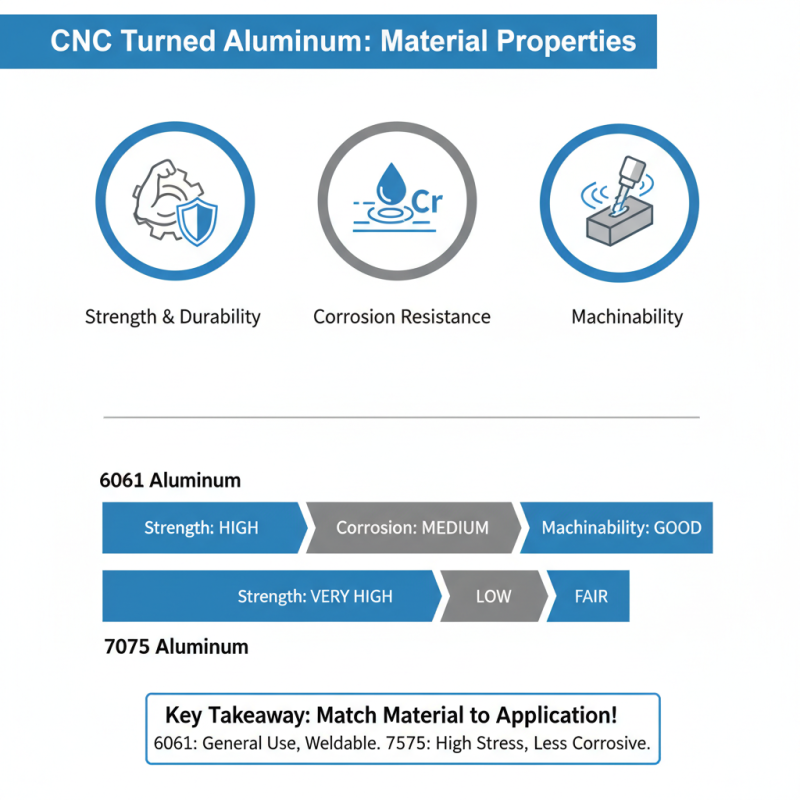
When selecting CNC turned aluminum parts, assessing material properties is crucial. Aluminum alloys come in various grades, each with distinct characteristics. Strength, corrosion resistance, and machinability differ significantly among them. For example, 6061 aluminum offers good weldability and strength, making it popular for various applications. However, it might not be the best choice for highly corrosive environments.
Another critical aspect is the finish of the aluminum. Machining methods can affect the surface quality. Anodizing can enhance corrosion resistance but may not be suitable for all projects. Often, designers face dilemmas—picking a more robust alloy may limit the machinability. In some cases, manufacturers rush these decisions, leading to parts that don’t meet design specifications. It's essential to evaluate the specific needs of the project and consider trade-offs.
Additionally, thermal properties play an integral role in aluminum applications. Parts exposed to high temperatures require specific grades that maintain their integrity. Standard alloys might expand undesirably under heat. It's vital to research and select materials that align with performance requirements. Testing and feedback from prototypes can reveal unexpected flaws in initial material choices. Adjustments post-evaluation often highlight the necessity of a thorough review in material selection.
When assessing quality in CNC turning processes, it’s essential to recognize key manufacturing standards. Precision is paramount. High-quality aluminum turning parts require exact dimensions and tolerances. Look for manufacturers who use advanced machinery. This often leads to better outcomes.
Machining techniques play a vital role in quality. Some methods may not always yield the best results. Inconsistent finishes or slight defects could emerge. Research the equipment used. A well-maintained CNC machine leads to superior parts, but wear and tear can affect production.
Another aspect to consider is the manufacturer’s certification. Certifications reflect adherence to industry standards. However, not all certified manufacturers meet the same level of quality. It’s crucial to ask questions. Transparency in processes can reveal a lot about a manufacturer’s commitment to quality. Ultimately, careful evaluation ensures you choose quality aluminum CNC turning parts.
| Attribute | Description | Standard | Importance |
|---|---|---|---|
| Material Quality | Aluminum grade used, such as 6061 or 7075. | ASTM B221 | Critical for strength and durability. |
| Precision | Tolerance levels achievable in part manufacturing. | ISO 2768 | Ensures fit and function in assemblies. |
| Surface Finish | Visual and functional quality of the surface. | ASTM B446 | Affects aesthetic and performance properties. |
| Heat Treatment | Processes such as aging or annealing applied to enhance strength. | AMS 2770 | Enhances performance characteristics of parts. |
| Quality Control | Methods and frequency of inspections performed during production. | ISO 9001 | Ensures consistent quality and process reliability. |
When selecting a supplier for aluminum CNC turning parts, reputation matters. A reliable supplier not only delivers quality but also ensures timely production. Investigate their history. Look for customer reviews and feedback. Are they known for on-time deliveries? Quality issues can arise if you rush your choice. Search for testimonials highlighting both positive and negative experiences. This reflection can guide your decision.
Consider the supplier’s industry experience. Seasoned suppliers understand the nuances of CNC machining. They are more likely to have robust processes in place. A supplier with years in the field might still have gaps; you must ask the right questions. What certifications do they hold? How do they handle defects? A detailed inquiry can reveal insights that testimonials may miss.
Trust is crucial in manufacturing. Establish direct communication with potential suppliers. Speak to their team about production capabilities. Are they responsive? Communication lapses can indicate future problems. Ensure their business aligns with your standards. However, even established suppliers may have issues; not all red flags are apparent initially. Being thorough in your assessments can save you from future challenges.