Top Die Cast Tooling Techniques for Precision Manufacturing?
In today's competitive manufacturing landscape, precise components are crucial. Die Cast Tooling plays a vital role in achieving high-quality and consistent results. This method allows for complex designs and tight tolerances, making it popular among manufacturers.
Advanced die cast tooling techniques offer numerous benefits. They enhance production speed, reduce waste, and improve material utilization. However, not all techniques are created equal. Some choices may lead to increased costs or longer lead times. It is essential to reflect on what works best for specific projects.
Moreover, the quality of the tooling can vary significantly. It's important to pay attention to detail during the design phase. This ensures that the tooling process meets the desired specifications. By understanding the intricacies of die cast tooling, manufacturers can optimize their production lines and achieve better outcomes.
Overview of Die Casting Tooling Techniques
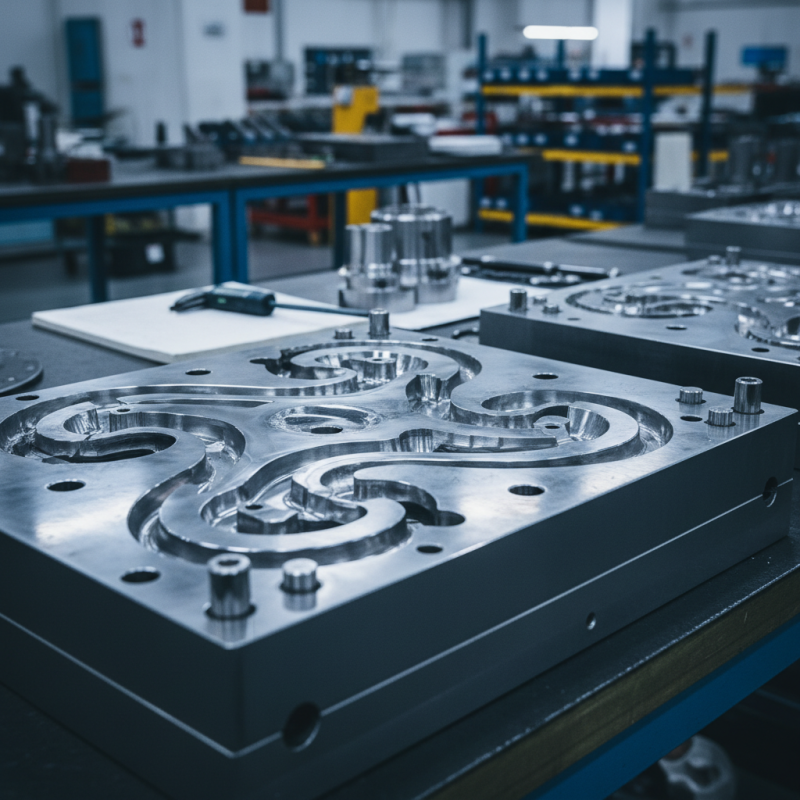
Die casting tooling techniques play an essential role in precision manufacturing. These methods influence the quality and accuracy of cast parts significantly. Tool design is crucial. It must accommodate various factors, like material flow and cooling rates. A poorly designed tool can lead to defects, such as air pockets or inconsistent thickness.
Different techniques exist in the die casting process. Gravity die casting is reliable, using gravity to fill molds. This method yields minimal waste and decent part surface quality. Pressure die casting, on the other hand, injects molten metal at high pressure. This allows for tighter tolerances but can introduce complications in the cooling process.
In recent years, advancements have emerged. New materials for tooling can withstand higher temperatures and pressures. However, these innovations come with challenges. They require investment and expertise that may not be accessible for all manufacturers. Making the right choice in tooling techniques matters. It impacts cost, durability, and precision. Reflection on past failures can drive improvement in future projects.
Importance of Precision in Die Casting
Precision in die casting is crucial for several reasons. It directly impacts the quality of the final products. A slight miscalculation can lead to defects in components. This might result in increased costs and delays in production. High precision ensures that parts fit together perfectly, which reduces the need for rework, saving time and resources.
The process involves careful measurements and meticulous planning. Each step must be executed flawlessly. Even small variations in temperature or pressure can alter the outcome. Manufacturers must constantly refine their techniques. They often seek innovative methods to enhance accuracy. However, achieving perfection is a continuous challenge.
There is always room for improvement. The industry grapples with the balance between speed and precision. Sometimes, rushing the process leads to errors. Equipment must also be maintained regularly to ensure reliability. Regular audits and tests can reveal weaknesses. Companies must be willing to adapt. The focus on precision should never wane, regardless of implementation obstacles. Each effort counts toward creating better products.
Common Materials Used in Die Casting Tooling
Die casting tooling relies heavily on materials that ensure strength and longevity. Commonly used metals include steel, aluminum, and zinc. Each plays a distinct role. Steel is favored for its high durability. It withstands intense pressure and heat. Aluminum, while lighter, offers excellent thermal conductivity. It helps with faster cooling rates in production. Zinc is often selected for its low melting point, making it an easy option for intricate designs.
In the tooling process, design choices also impact material selection. Some manufacturers may overlook the importance of choosing the right alloy. A poor choice can lead to defects in the final product. Over time, tools can wear down, necessitating replacements or refinements. This can increase costs and lead times. Ultimately, balancing material properties with specific manufacturing needs is crucial. Achieving precision in die casting involves continuous learning and adaptation. Tooling decisions can make or break a manufacturing process.
Top Die Cast Tooling Techniques for Precision Manufacturing - Common Materials Used in Die Casting Tooling
| Tooling Technique |
Material |
Benefits |
Typical Applications |
| Gravity Die Casting |
Aluminum Alloy |
High thermal conductivity, excellent finish |
Automotive parts, consumer electronics |
| Pressure Die Casting |
Zinc Alloy |
Good dimensional accuracy, smooth surface |
Small parts, hardware components |
| Cold Chamber Die Casting |
Magnesium Alloy |
Low melting point, lightweight |
Telecommunication equipment, automotive components |
| Sand Casting |
Iron |
Cost-effective for large parts, good durability |
Heavy machinery, construction equipment |
| Investment Casting |
Stainless Steel |
High precision, excellent surface finish |
Aerospace, medical devices |
Innovative Approaches to Tool Design and Optimization
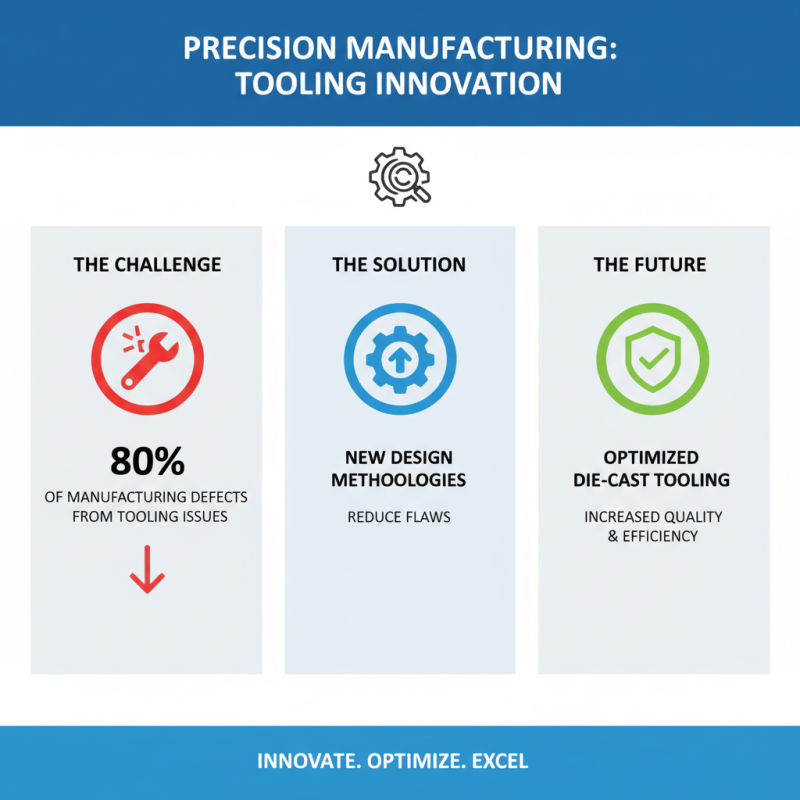
In the realm of precision manufacturing, innovative tool design and optimization are crucial. The die cast tooling techniques have evolved significantly. According to industry reports, nearly 80% of manufacturing defects stem from tooling issues. Exploring new design methodologies can greatly reduce these flaws.
Advanced materials and techniques are on the rise. For instance, simulation software helps manufacturers visualize tool performance. This allows for tweaks before actual production starts. Implementing these virtual assessments can lead to a reduction in lead time by 30%. However, not all manufacturers utilize simulations effectively. Many still rely on outdated designs. It’s critical to embrace technology and think outside traditional boundaries.
Tips: Consider using lightweight alloys for tooling. They can enhance performance and reduce wear. Regularly review and update tool designs based on production data. Continuous improvement is key. Keep an open mind about redesigns. Sometimes, what worked yesterday may not be suitable today. Innovation is not just about new ideas; it's about refining existing ones.
Future Trends in Die Casting Tooling Technology
Die casting technology is evolving rapidly. The shift towards automation is significant. Reports indicate that over 50% of die casting operations are now automated. This improves precision and reduces human error. Manufacturers also see a reduction in operational costs by 20% through automated systems.
Additionally, the integration of advanced materials, like lightweight aluminum alloys, is gaining traction. These materials enhance durability while minimizing weight. Industry data shows that lightweight components can improve fuel efficiency in automotive applications by approximately 15%. However, sourcing these advanced materials can be challenging and costly for some manufacturers.
Artificial intelligence is also making its mark. Predictive analytics help in monitoring tooling conditions and optimizing performance. While many jump on this trend, not all companies invest enough in training staff to leverage these tools effectively. There’s still a learning curve. Adaptation takes time, and gaps in knowledge can impact production quality. As technology advances, the need for skilled operators becomes more crucial. Will the industry keep pace with these changes? The question lingers.


 0086-15925850312

 CONTACT NUMBER