Why Are Die Casting Mold Parts Essential for Manufacturing Success?
In the competitive landscape of manufacturing, the role of Die Casting Mold Parts cannot be underestimated. According to industry expert Dr. John Smith, "Quality mold parts are the backbone of efficient production." This statement highlights the importance of these components in achieving manufacturing success.
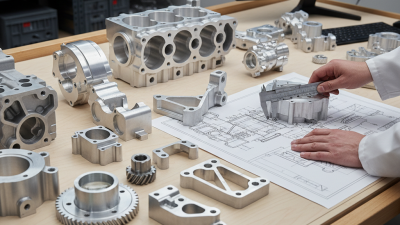
Die Casting Mold Parts are integral to the production process. They directly influence the quality and precision of the final product. Manufacturers must recognize that poorly designed molds lead to defects. This could impact overall production efficiency and increase costs.
Emphasizing the significance of Die Casting Mold Parts is essential. The longevity of molds affects the length of production runs and their sustainability. Manufacturers should invest in high-quality mold designs. It’s vital to continually refine these components. The journey towards excellence in manufacturing involves ongoing improvement and adaptation.
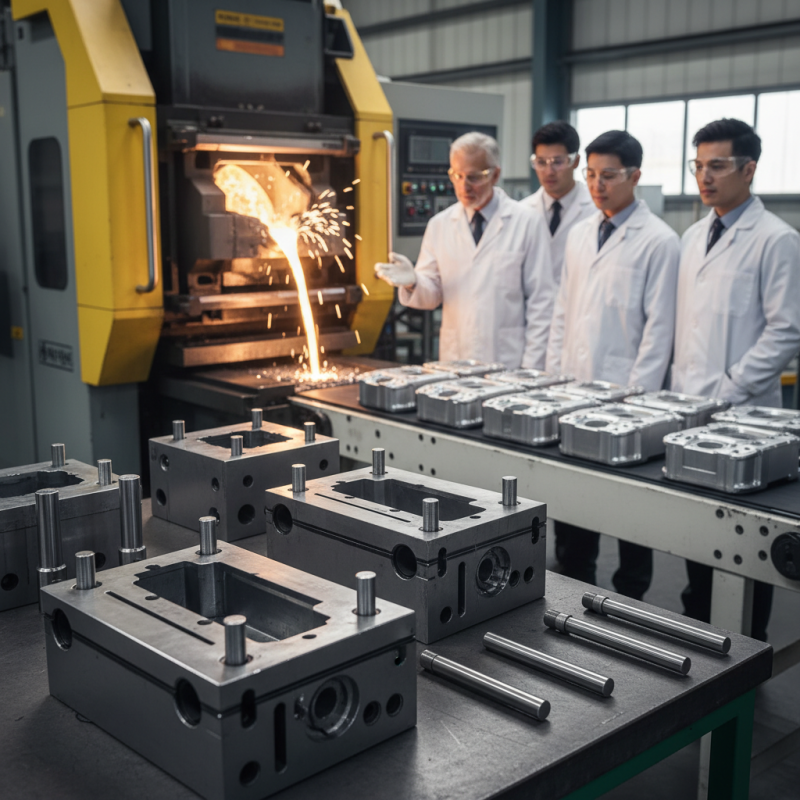
The Role of Die Casting Mold Parts in the Manufacturing Process
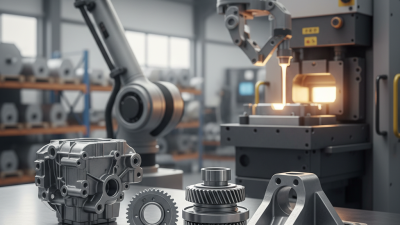
Die casting mold parts play a crucial role in modern manufacturing. These components are essential for producing precise and complex shapes. According to industry reports, around 60% of the die casting process impacts production quality. The right molds ensure consistency, which leads to reduced waste and lower production costs. A reliable mold can enhance the efficiency of the process, making manufacturing smoother.
When designing mold parts, it’s key to focus on material selection and cooling processes. Reports indicate that the choice of alloy can affect the lifespan of the molds significantly. Aluminum and zinc alloys are often preferred for their durability and corrosion resistance. Also, efficient cooling channels can improve cycle times, impacting overall productivity.
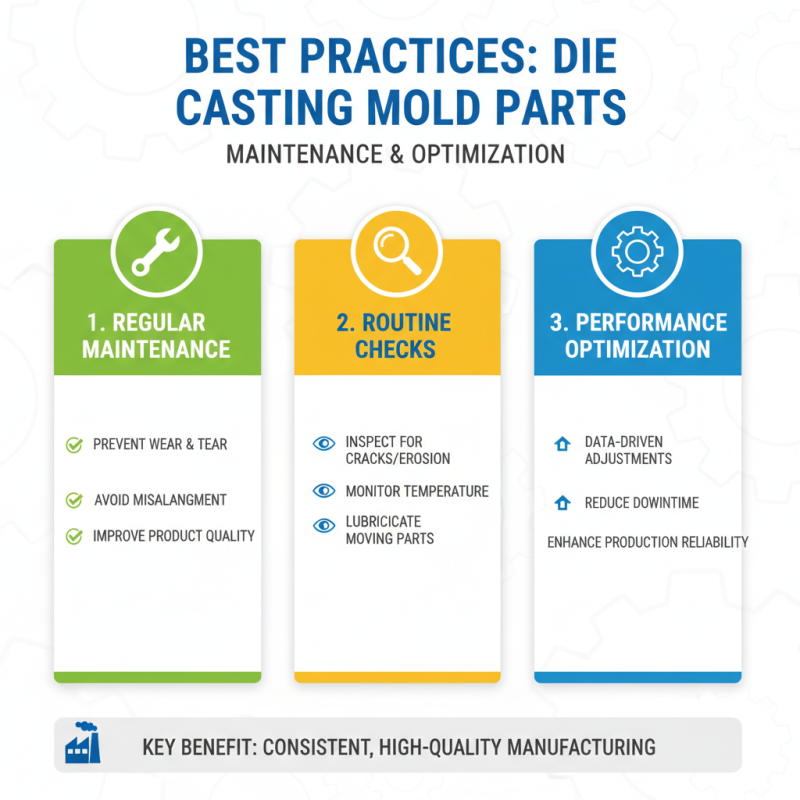
Tips: Always consider mold maintenance. Regular checks can prevent costly downtimes. Understand the trade-offs in design; complex shapes may require more maintenance. Ensure to train staff on best practices, as this can mitigate errors during production. These details are essential for maximizing yield and minimizing defects. The focus should always be on continuous improvement, balancing complexity with practicality.
Key Benefits of Utilizing High-Quality Die Casting Mold Parts
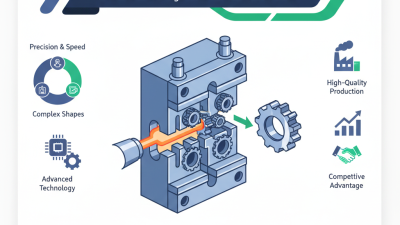
In today's competitive manufacturing landscape, high-quality die casting mold parts play a crucial role. These components ensure precision and durability in the production of complex metal parts. According to a report by MarketsandMarkets, the global die casting market is expected to reach $16.02 billion by 2025, illustrating the growing importance of quality in mold production.
Utilizing top-notch die casting mold parts can lead to significant cost savings. Enhanced molds reduce scrap rates and improve overall product quality. A study by the American Foundry Society highlighted that improved mold design could boost production efficiency by up to 30%. This increase not only streamlines operations but also enhances customer satisfaction through better final products.
Manufacturers must also recognize the need for regular evaluation of mold performance. Constant wear and tear can lead to diminished returns. Engaging in routine maintenance can be crucial for extending the lifespan of molds. Neglecting this aspect can result in increased downtime and ultimately, financial losses. The key factor is not just initial investment but ongoing commitment to quality and performance. This proactive approach is essential in a market that demands both excellence and efficiency.
Benefits of High-Quality Die Casting Mold Parts
Factors Influencing the Design and Material Selection for Mold Parts
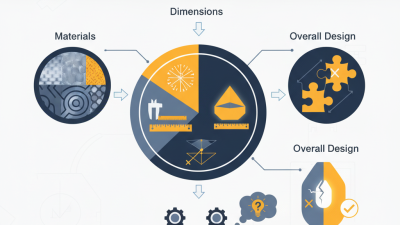
The design and material selection for die casting mold parts significantly impact manufacturing outcomes. A well-designed mold can enhance production efficiency and product quality. The complexity of the part shapes often dictates the mold's design choices. Engineers must address factors like cooling channels and ejection mechanisms, which directly affect cycle times and product integrity.
Material selection is equally crucial. Common choices include aluminum, steel, and alloy materials. These materials differ in durability and thermal properties. A lightweight aluminum mold is ideal for prototypes, while steel offers resilience for high-volume production. However, each material presents challenges, such as thermal expansion or corrosion. Evaluating these limitations is vital for successful manufacturing.
Reflecting on the continuous improvements in mold design, a deeper understanding of material properties can lead to innovative solutions. Manufacturers sometimes overlook advancements in technology. This oversight can hinder efficiency and increase costs, creating potential setbacks. Regularly revisiting design principles and material choices is essential for staying competitive in the market.
Why Are Die Casting Mold Parts Essential for Manufacturing Success? - Factors Influencing the Design and Material Selection for Mold Parts
| Factor |
Description |
Material Types |
Impact on Success |
| Design Precision |
The accuracy of the mold design influences the quality of the final product. |
Aluminum, Zinc |
High precision leads to reduced scrap rates and improved product performance. |
| Material Selection |
Choosing the right materials can enhance durability and reduce costs. |
Magnesium, Copper |
Proper materials increase longevity and reduce the need for replacements. |
| Cooling System |
An efficient cooling system ensures faster cycles and better quality control. |
Steel, Brass |
Optimized cooling promotes uniform properties in the final product. |
| Surface Finish |
Required surface quality can dictate mold engineering and finishing processes. |
Aluminum, Nickel |
Good surface finish reduces additional finishing operations. |
| Production Volume |
Mold design is influenced by the expected production volume of parts. |
Alloy Steel, Cast Iron |
Higher volumes can justify the initial costs of high-quality molds. |
Common Challenges in Die Casting and the Importance of Mold Components
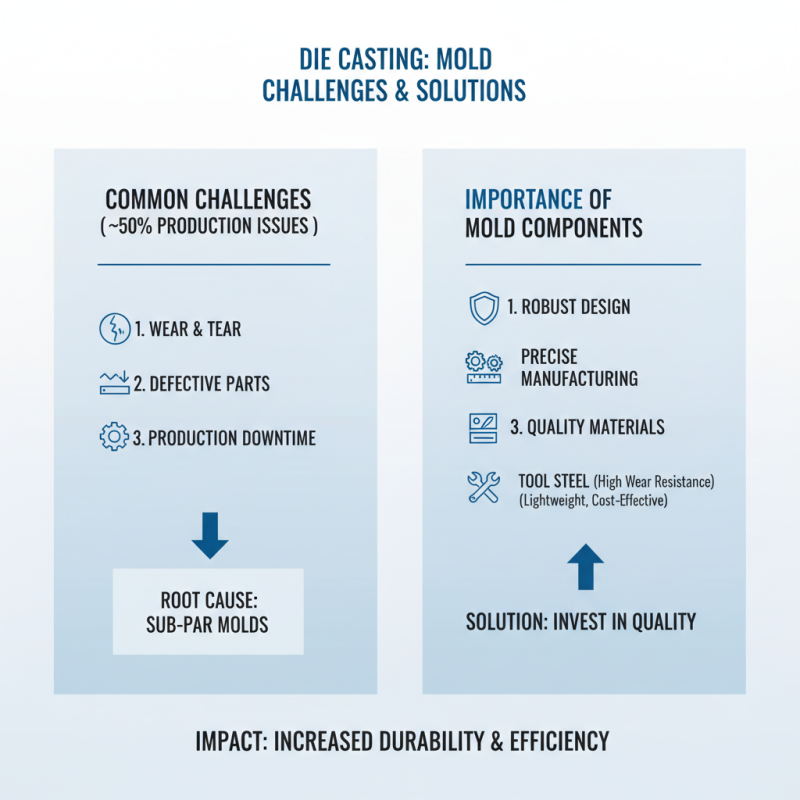
In die casting, mold components play a crucial role in ensuring quality production. According to industry reports, nearly 50% of production issues stem from mold-related challenges. This emphasizes the importance of investing in robust, precise mold parts. The right materials and designs can significantly influence the durability and efficiency of dies. Common materials include tool steel and aluminum, each offering unique advantages. For instance, high-quality tool steel increases wear resistance, reducing the risk of defects.
Manufacturers often face challenges like dimensional inaccuracies and surface defects. A study revealed that 30% of defects are due to improper mold design. Regular maintenance and careful monitoring of mold condition can mitigate these issues. Moreover, incorporating advanced technologies like simulation software can help in predicting potential problems, further enhancing overall production quality.
While advancements are notable, there are still hurdles to overcome. For example, the initial cost of high-quality molds can be a barrier for smaller manufacturers. This raises an essential question: how can smaller firms balance quality with budget constraints? Investing in high-quality molds could yield better long-term results, even if it means higher upfront costs. Manufacturers must weigh these factors carefully to achieve lasting success in their die casting operations.


 0086-15925850312

 CONTACT NUMBER