Why Are Oil Pipeline Fittings Essential for Global Trade?
In today's interconnected world, the flow of oil is vital for global trade. Oil Pipeline Fittings play a crucial role in maintaining this flow. These fittings ensure that oil travels smoothly from production sites to refineries and markets. By connecting various components of pipelines, they prevent leaks and disruptions.
Yet, the importance of Oil Pipeline Fittings is often overlooked. Many people do not realize that these small but essential parts are engineered for extreme conditions. They must withstand immense pressure and corrosive environments. A failure in any fitting can lead to significant economic losses and environmental disasters.
The reliability of these components is paramount. Industries depend on them for efficiency and safety. While advancements have been made, challenges remain in ensuring quality and compliance. Continuous improvement and rigorous testing are essential to maintain standards. The role of Oil Pipeline Fittings is not just technical; it has far-reaching implications for trade and sustainability.
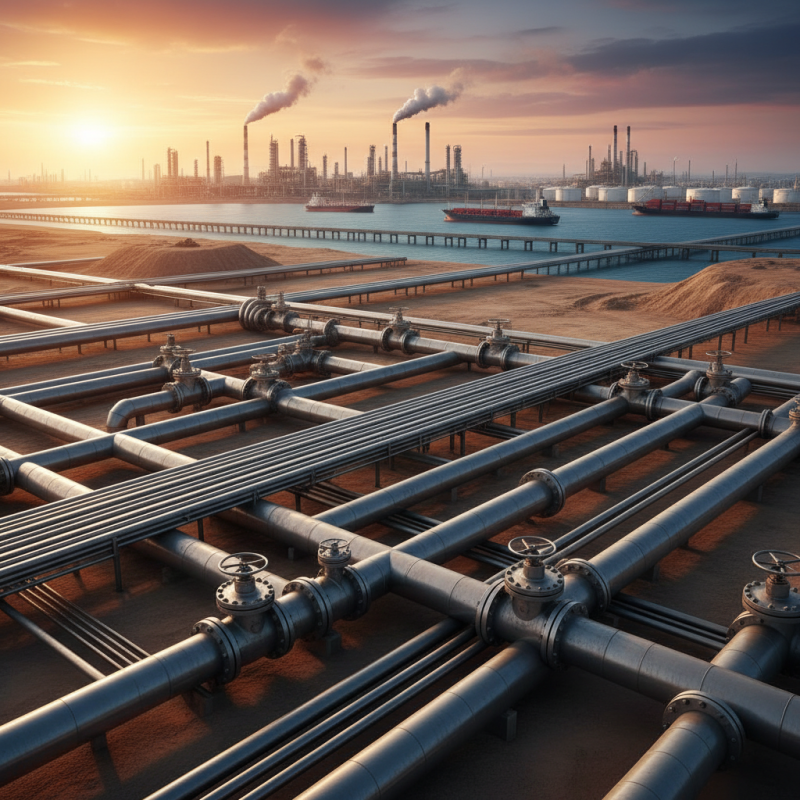
Significance of Oil Pipeline Fittings in Energy Distribution
Oil pipeline fittings are crucial for efficient energy distribution. They connect various sections of pipelines, allowing for the smooth flow of oil. Each fitting plays a unique role. They can prevent leaks and maintain pressure. This enhances the safety and efficiency of transporting crude oil.
The design of these fittings is often intricate. Each piece must withstand high pressure and corrosive environments. Materials are chosen carefully for durability. Installers need expertise to ensure proper fitting. A small mistake can lead to significant issues. Leaks can occur, posing environmental risks.
Moreover, the importance of pipeline fittings goes beyond logistics. They support global trade by ensuring timely deliveries. Countries rely on oil imports and exports. Any delay in flow can disrupt economies. Energy distribution is a delicate balance, and fittings are the unsung heroes facilitating this balance.
Types of Oil Pipeline Fittings and Their Functions
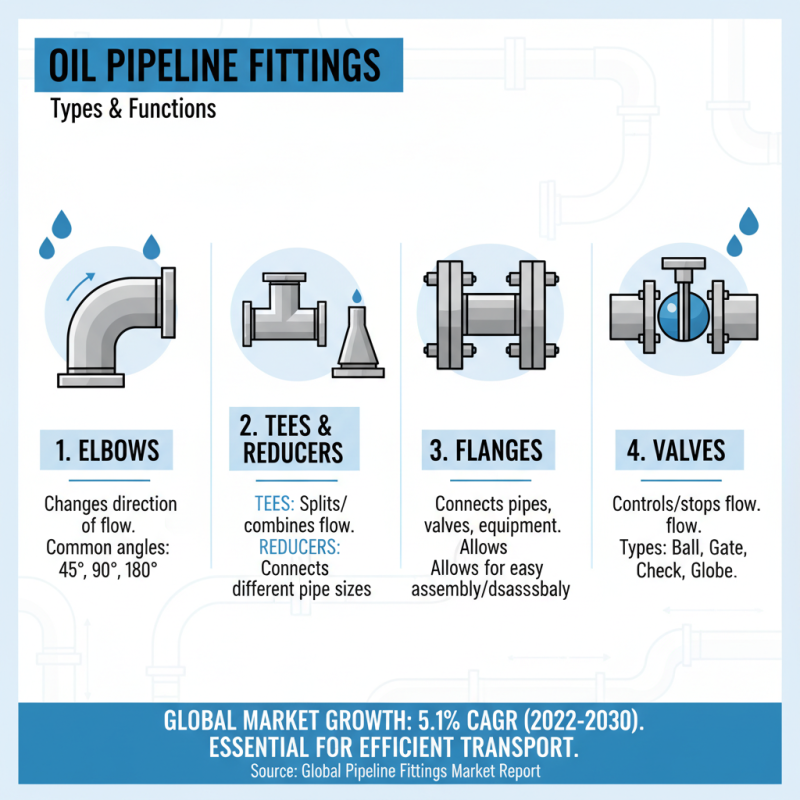
Oil pipeline fittings are crucial components in the transportation of crude oil and refined products. They ensure the integrity and efficiency of pipelines worldwide. According to the Global Pipeline Fittings Market Report, the industry is projected to grow at a CAGR of 5.1% from 2022 to 2030. This growth underscores the importance of selecting the right types of fittings.
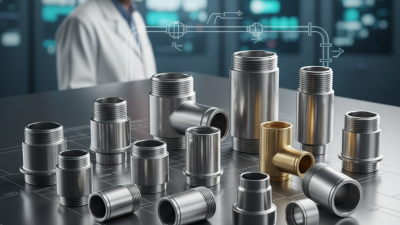
There are several key types of oil pipeline fittings, each fulfilling specific roles. Flanges provide a secure connection between pipes, allowing for easy assembly and maintenance. Elbows facilitate directional changes in pipeline layout. Couplings join two pipes together, ensuring a continuous flow. Meanwhile, valves play a critical role in controlling the flow rate and pressure. Each fitting must be chosen carefully, as improper selection can lead to leaks or operational inefficiencies.
The material used in fittings is also vital. Common materials include carbon steel, stainless steel, and PVC. Each has unique properties that affect durability and resistance to corrosion. A study by the American Society of Civil Engineers highlighted that up to 20% of pipeline failures stem from inferior fittings. Choosing high-quality fittings is not merely a matter of cost; it impacts the safety and reliability of global oil transport.
Impact of Oil Pipeline Fittings on Trade Efficiency
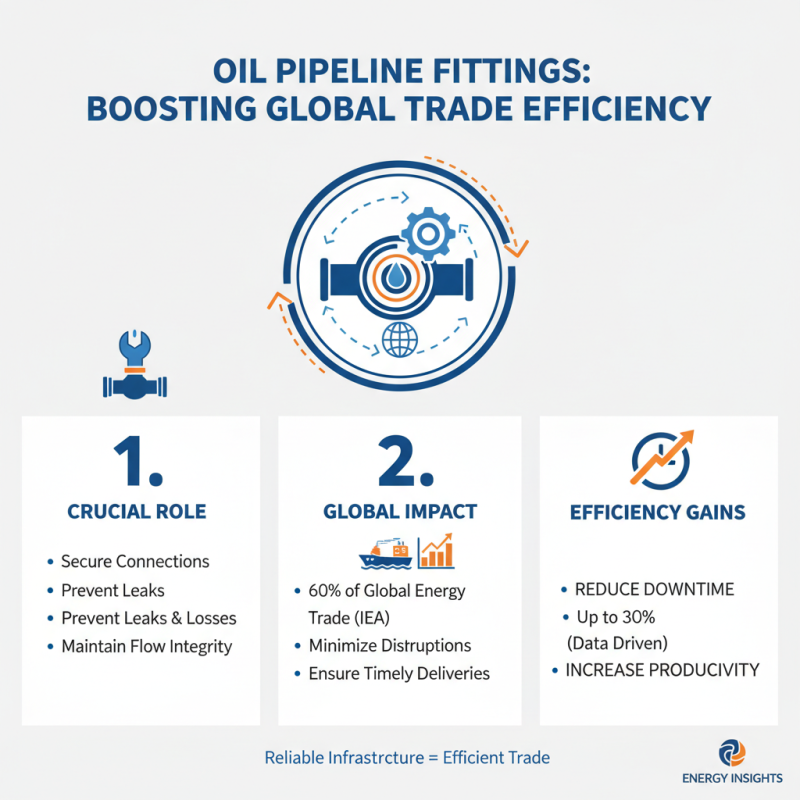
Oil pipeline fittings play a crucial role in global trade efficiency. These components ensure secure connections within pipeline systems, preventing leaks and losses. According to the International Energy Agency (IEA), oil trade makes up nearly 60% of the total global energy trade. Any disruptions in the pipeline network can lead to significant delays. Data shows that well-implemented fittings can reduce maintenance downtime by up to 30%, increasing productivity.
In addition to safety, efficient fittings enhance transport capacity. A report from the American Petroleum Institute highlights that modern pipeline fittings allow up to 90% of oil transport without incidents. This efficiency translates into cost savings for companies and quicker delivery times. However, improper installation and maintenance of fittings can compromise their performance, causing potential setbacks.
Investing in high-quality pipeline fittings is essential. Though the initial costs may be higher, the long-term benefits outweigh them. Still, the industry faces challenges. A recent survey indicates that 45% of companies report frequent issues with fitting quality. Improving standards and regulations should be a focus to avoid these problems and ensure the stability of global oil trade.
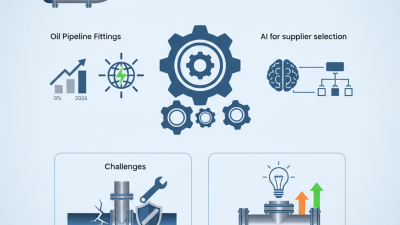
Challenges in Manufacturing and Maintaining Oil Pipeline Fittings
Oil pipeline fittings play a vital role in ensuring smooth global trade. Their manufacture and maintenance pose significant challenges. Quality control is critical during production. Imperfections in fittings can lead to leaks or failures. These issues not only jeopardize safety but also disrupt the supply chain.
Maintenance also requires expertise. Regular inspections are necessary to detect wear. Technicians must be well-trained to identify potential issues before they escalate. Many fittings might seem reliable, but aging materials can underperform. Inadequate maintenance practices can escalate into costly repairs.
**Tip:** Always document maintenance procedures for future reference. This helps in understanding the fixture's history and planning better. Developing a checklist can streamline inspections efficiently. Stay informed about the latest technologies in fitting manufacturing. They can enhance reliability and reduce potential issues.
Why Are Oil Pipeline Fittings Essential for Global Trade? - Challenges in Manufacturing and Maintaining Oil Pipeline Fittings
| Category |
Description |
Challenges in Manufacturing |
Maintenance Issues |
| Material Quality |
Durability and resistance to corrosive environments. |
Sourcing high-grade materials that meet international standards. |
Corrosion and wear due to suboptimal material choice. |
| Design Precision |
Fittings must fit perfectly to prevent leaks. |
Ensuring precision in complex geometries can be costly. |
Misalignment leading to increased maintenance costs. |
| Regulatory Compliance |
Fittings must adhere to numerous global regulations. |
Navigating different regulatory environments complicates production. |
Compliance failures leading to legal and financial penalties. |
| Supply Chain Logistics |
Efficient transport of fittings to various global markets is essential. |
Disruptions can delay deliveries and increase costs. |
Poor logistics can result in inventory shortages and production halts. |
| Technological Advances |
Innovations in manufacturing processes improve fitting reliability. |
Adopting new technologies requires investment and training. |
Outdated technologies leading to inefficiencies and failures. |
Future Innovations in Oil Pipeline Fitting Technologies and Trade
As the global demand for oil continues to grow, innovations in oil pipeline fitting technologies become crucial. These fittings ensure safe and efficient transport. According to a recent market report, the global pipeline fittings market is projected to reach $22 billion by 2025, highlighting their importance in trade logistics.
Future innovations may include smart fittings that utilize IoT technology. These fittings can provide real-time monitoring of pressure and flow rates. This helps in early detection of leaks, minimizing risks and reducing financial losses. A 2022 industry study indicated that more than 30% of pipeline failures are due to faulty fittings, emphasizing the need for advancements in this area.
Moreover, sustainable materials for fittings can reduce environmental impacts. A transition to eco-friendly materials can attract environmentally-conscious investors. However, implementing these innovations can be cost-prohibitive. Companies must weigh the benefits of state-of-the-art technology against initial investment costs. Balancing innovation and expense remains a challenge within the industry.


 0086-15925850312

 CONTACT NUMBER