Top 10 Essential Oil Pipeline Fittings You Need to Know?
In the world of oil transportation, the importance of quality Oil Pipeline Fittings cannot be overstated. Industry expert Dr. Samuel Wells emphasizes this by stating, "The right fittings are crucial for safe and efficient oil flow." As the demand for oil rises, understanding these components becomes vital.
Choosing the right fittings impacts efficiency, safety, and longevity. Many overlook the role of materials and design. For instance, using subpar fittings can lead to leaks and costly downtimes. Each fitting serves a purpose, yet many professionals lack awareness.
It's not just about functionality. A well-designed fitting can enhance overall system performance. Conversely, neglecting quality can stir major problems down the line. As we explore the top 10 essential oil pipeline fittings, consider their impact. Embrace knowledge and choose wisely. Remember, every detail counts in this intricate system.
Essential Considerations for Essential Oil Pipeline Fittings
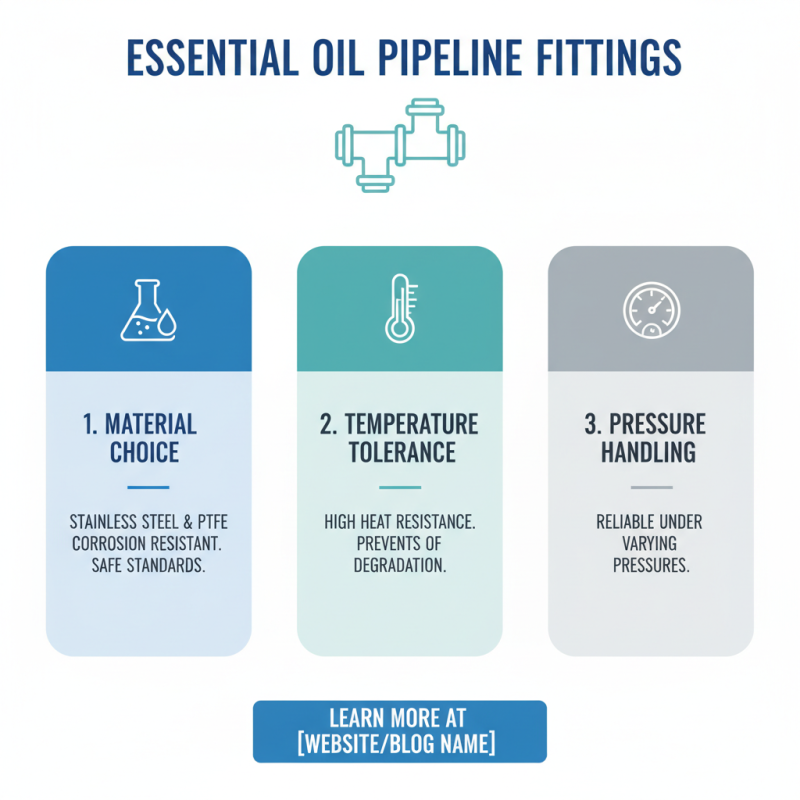
When considering essential oil pipeline fittings, several factors come into play. Material choice is critical. Stainless steel and PTFE are common. They resist corrosion and adhere to safety standards. Have you considered temperature tolerance? Some materials degrade under high heat. You need reliable fittings that can handle various pressures.
Connection types are another vital aspect. Flanged, threaded, and welded connections each have unique features. Not all fitting types suit every application. Will your choice prevent leaks? Proper sealing and maintenance are essential. Regular inspections can catch issues early.
Size matters too. Choosing the right diameter ensures efficient transport. Oversized fittings can lead to pressure drops. Undersized ones may cause blockages. It’s not just about fitting in; it’s about performance. Often, people overlook the small details. Small mistakes can lead to significant problems later on.
Types of Essential Oil Pipeline Fittings and Their Functions
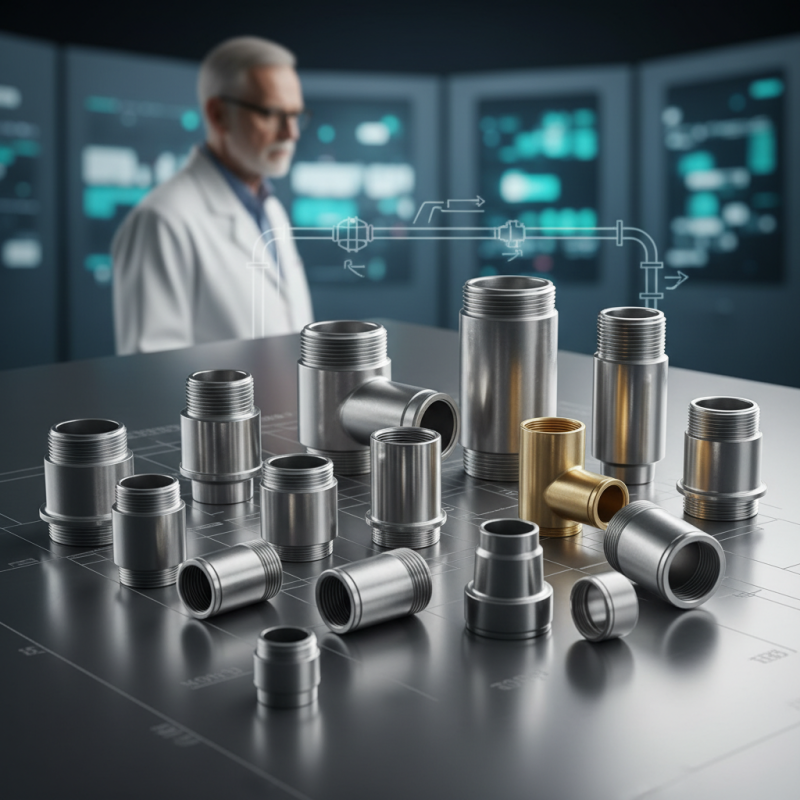
Essential oil pipeline fittings play a crucial role in the safe and efficient transport of various oils. Understanding their types and functions can greatly enhance your operations. One key fitting type is the connector. Connectors join different pipe sections. They ensure a tight seal to prevent leaks. Another important fitting is the elbow. Elbows allow pipes to change direction. They come in various angles to suit different needs.
Couplings are also essential. They join two pipes of the same diameter. Some may overlook the importance of proper coupling selection. Mismatched widths can lead to serious repercussions. Adapters are another useful fitting. They connect pipes of different sizes. This versatility is great for custom setups but can also complicate installation. It's vital to double-check compatibility and specifications.
Tee fittings are indispensable for creating branch lines. They allow you to split the flow efficiently. However, improper placement can disrupt the entire system. Don't forget about valve fittings. They regulate flow and pressure. Mismanagement here lets oil leak or, worse, create pressure buildup. Each fitting type has unique functions and must be used correctly. Mistakes happen, so reflect on your choices for better results.
Top 10 Essential Oil Pipeline Fittings You Need to Know
| Fitting Type |
Material |
Size Range |
Pressure Rating |
Function |
| Tee Fitting |
Stainless Steel |
1/4” - 2” |
150 PSI |
Allows branching of the pipeline |
| Elbow Fitting |
PVC |
1/2” - 4” |
100 PSI |
Directs flow at an angle |
| Union Fitting |
Brass |
1/4” - 3” |
200 PSI |
Connects two pipes for easy disconnection |
| Flange Fitting |
Carbon Steel |
1” - 12” |
300 PSI |
Provides a strong connection point |
| Bushing Fitting |
Copper |
1/2” to 1” |
150 PSI |
Reduces pipe size |
| Caps |
PVC |
1/2” - 4” |
100 PSI |
Seals the end of a pipe |
| Reducer Fitting |
Stainless Steel |
1/2” - 1” |
250 PSI |
Connects different sizes of pipes |
| Valve Fitting |
Brass |
1/4” - 2” |
150 PSI |
Controls flow in the pipeline |
| Coupling Fitting |
PVC |
1” - 6” |
100 PSI |
Joins two pipes together |
| Cross Fitting |
Stainless Steel |
1” - 3” |
150 PSI |
Connects four pipes |
Material Selection for Durability in Essential Oil Pipeline Fittings
When selecting materials for essential oil pipeline fittings, durability is crucial. Essential oils are often highly concentrated and can be corrosive. The wrong material can lead to leaks or contamination. Stainless steel is a popular choice due to its resistance to corrosion. It handles high pressures well and can last for years. However, it can be expensive.
Plastic fittings are often lighter and more affordable. Yet, they may not withstand the harsh conditions that essential oils create. Some plastics degrade quickly, releasing harmful substances. Therefore, careful consideration is essential.
Different environments also demand different materials. High temperatures may warp certain plastics. Cold environments can make metals brittle. There isn’t a one-size-fits-all solution. Regularly checking the fittings for wear and tear can prevent unexpected failures. Choosing materials wisely and maintaining them can ultimately ensure the longevity of the pipeline system.
Troubleshooting Common Issues with Essential Oil Pipeline Fittings
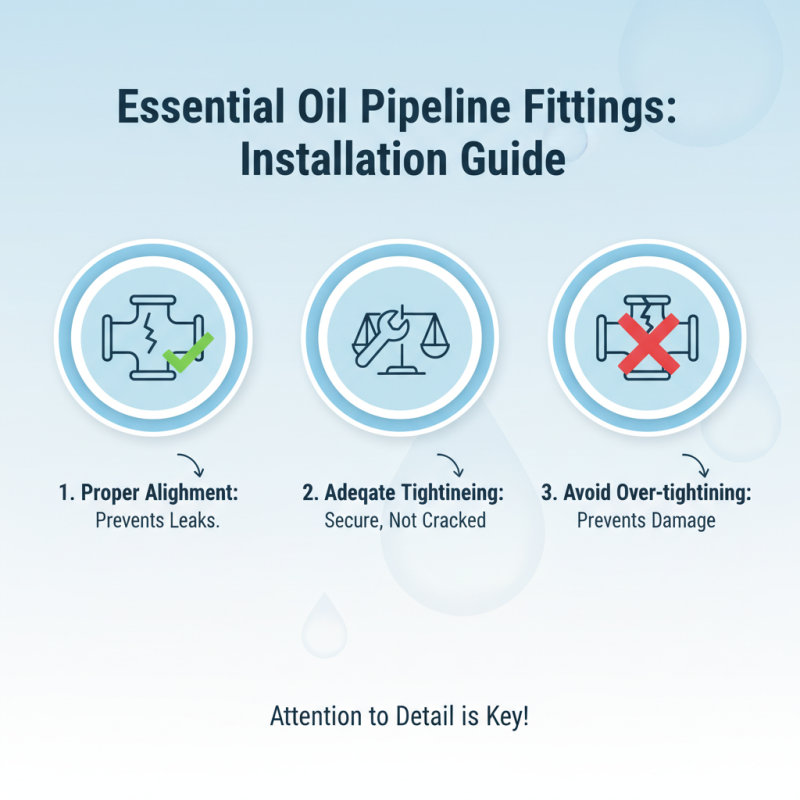
Essential oil pipeline fittings can sometimes face issues. One common problem is leaks. A small leak can lead to significant loss. Regularly check seals and joints for wear. If you notice any oil at the connection points, it’s time to replace those seals. Using the correct fitting type is essential. Mismatched parts can cause fractures and leaks.
Another frequent issue is clogs. Residue buildup may restrict oil flow. Run regular maintenance to keep pipes clean. Sometimes, stubborn clogs require disassembly. Don't skip this step if you want smooth operations. It’s crucial to know how to troubleshoot these problems effectively.
Sometimes, even minor adjustments can make a difference. Inspect connections frequently to ensure they’re tight. A loose fitting can create vibrations and further damage. Learning from past mistakes is vital for future success. Consider the environment where the fittings are used. Temperature fluctuations can also impact performance. Stay proactive to avoid bigger headaches down the line.


 0086-15925850312

 CONTACT NUMBER