


 0086-15925850312





The Basics of CNC Machining Explained
2025-09-11
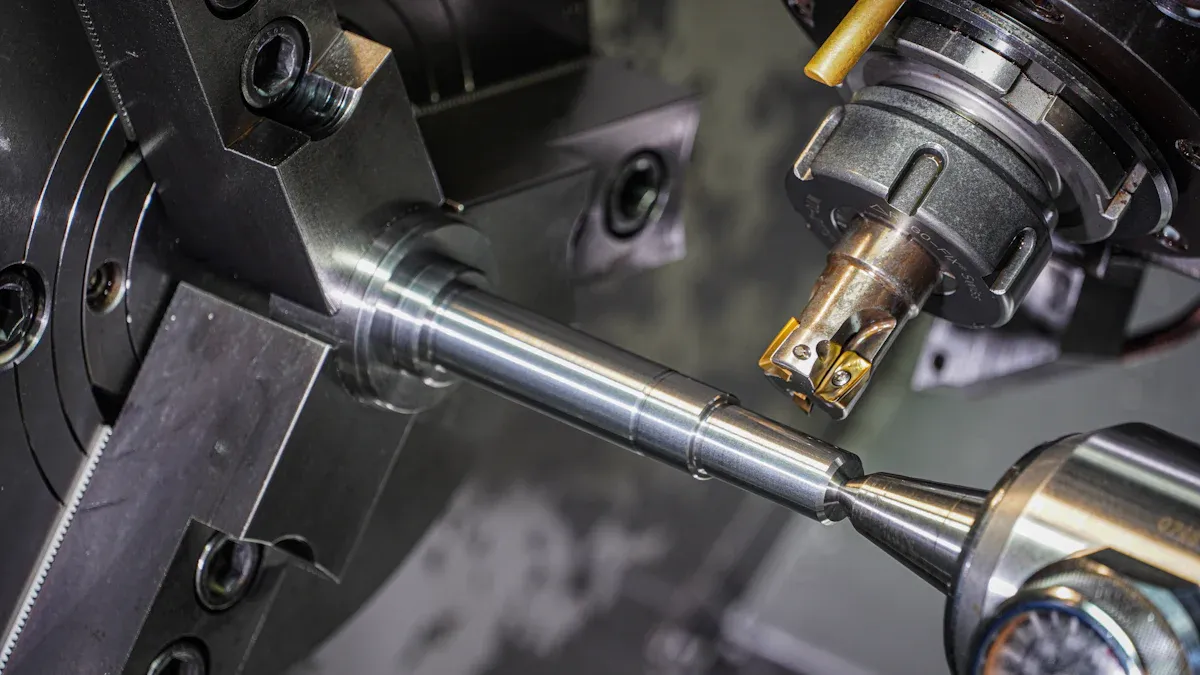
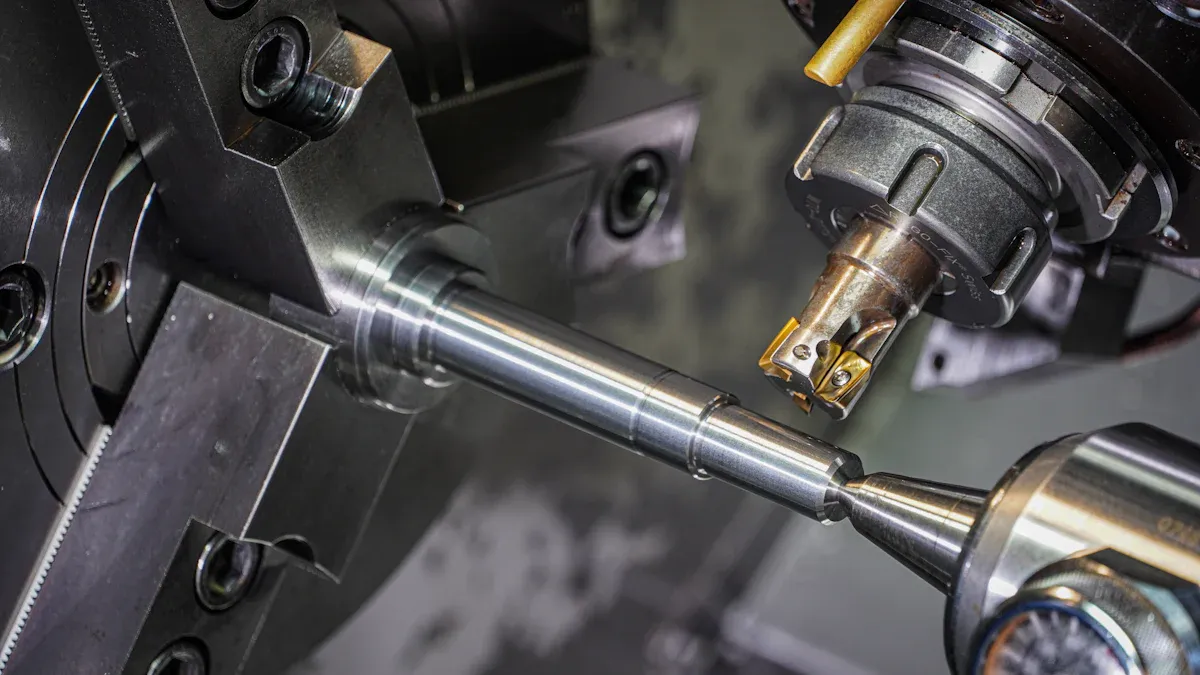
CNC machiningrefers to an automated manufacturing process that employs computer-controlled tools to shape materials. This method plays a crucial role in modern manufacturing, enhancing precision and efficiency. Industries such as aerospace, automotive, and medical devices extensively utilize Cnc Machining for creating complex components, ensuring high accuracy and repeatability.
Key Takeaways
- CNC machining automates manufacturing, enhancing precision and efficiency across various industries.
- Effective CAD design is crucial for accuracy, allowing for complex structures and reducing trial and error.
- Proper machine preparation ensures high-quality results, emphasizing safety and regular inspections.
Understanding the CNC Machining Process
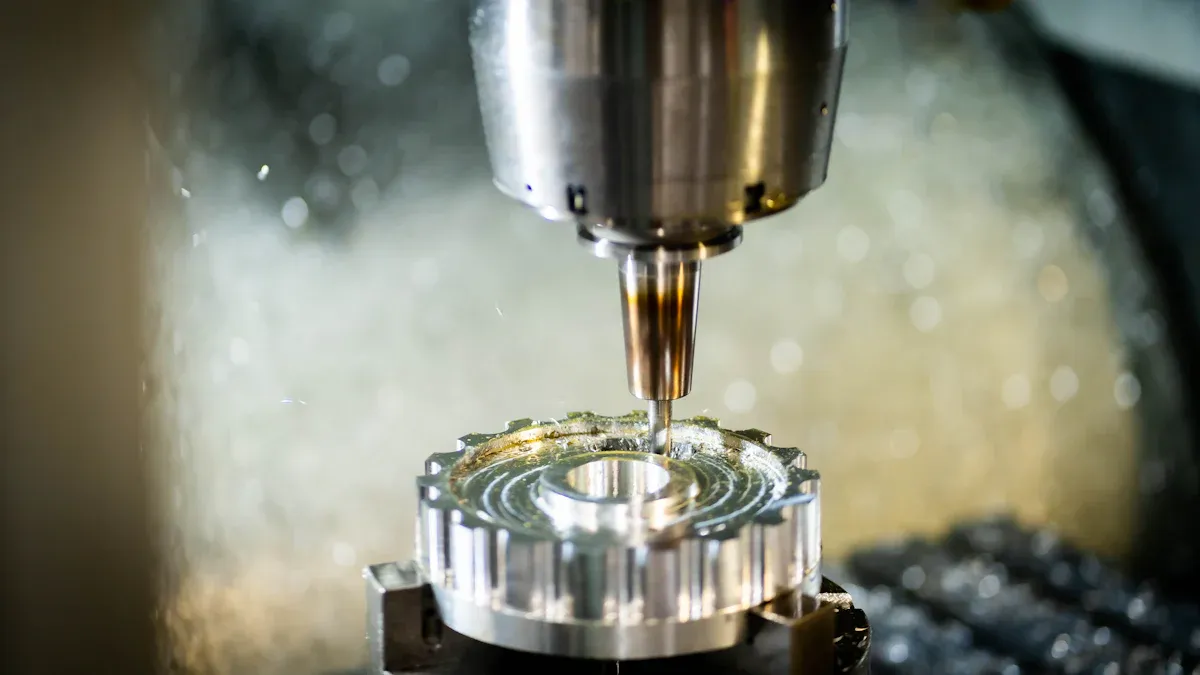
The CNC machining process involves several critical steps that transform a digital design into a finished product. Each phase plays a vital role in ensuring precision and efficiency throughout the manufacturing cycle.
CAD Design
The first step in CNC machining is creating a detailed 3D model using Computer-Aided Design (CAD) software. This model serves as the blueprint for the part being manufactured. Accurate 3D modeling is essential for ensuring precision in machining processes. It allows engineers to visualize the part and make necessary adjustments before production begins.
Key benefits of effective CAD design include:
- Improved machining accuracy through precise dimensional control.
- Enhanced efficiency by minimizing trial and error during the machining phase.
- Support for complex structures, enabling multi-axis machining capabilities.
Popular CAD software programs include SOLIDWORKS®, Inventor®, and Fusion 360®. These tools offer features such as 3D modeling, finite element analysis, and seamless integration with CAM software, which is crucial for generating toolpaths.
Machine Preparation
Once the CAD design is complete, the next step is machine preparation. This phase ensures that the CNC machine is ready for operation. Proper setup is essential for achieving high-quality results. The preparation process typically involves the following steps:
- Choose the appropriate material.
- Cut the material to size.
- Deburr the edges to remove sharpness.
- Clean the material to eliminate contaminants.
- Clamp the material securely in place.
- Prepare the cutting tools for installation.
- Configure the CNC machine settings.
Safety protocols are also critical during this phase. Operators should conduct regular inspections to confirm that all components are functioning correctly. They must also document and enforce standard operating procedures to maintain a safe working environment.
Execution of Machining
The final phase is the execution of machining, where the CNC machine carries out the programmed instructions. The G-code generated from the CAD design guides the machine's movements, ensuring that it accurately removes material from the workpiece.
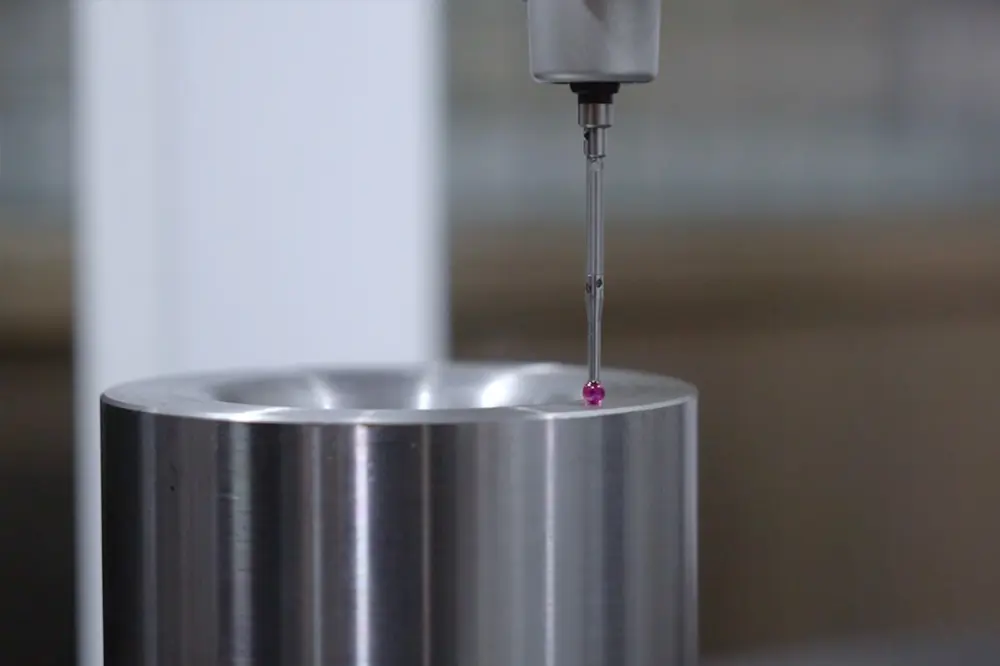
During this phase, operators must monitor the machining process closely. They should be aware of common challenges, such as tool wear, which can affect precision and product quality. Quality control measures, such as statistical process control (SPC), help maintain consistency and reduce waste.
The following steps outline the execution process:
- Load the G-code into the CNC machine.
- Perform a dry run to test the program without cutting material.
- Begin machining while continuously monitoring the operation.
- Conduct post-processing tasks, such as deburring and cleaning the finished part.
By following these steps, manufacturers can achieve high precision and efficiency in their CNC machining operations.
Types of CNC Machines
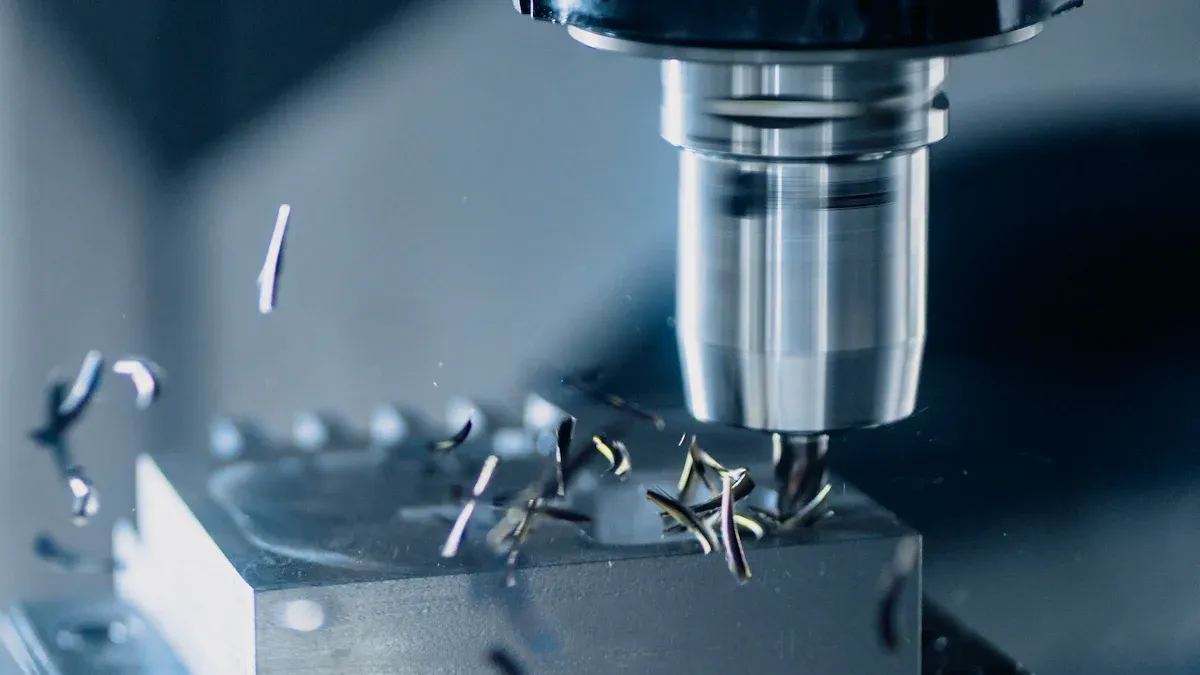
CNC machines come in various types, each designed for specific applications and materials. Understanding these machines helps manufacturers choose the right tool for their projects.
CNC Mills
CNC mills are known for their high accuracy and precision. They excel in producing intricate parts, making them ideal for industries such as aerospace and automotive. The following table highlights their characteristics and applications:
| Characteristics | Applications |
|---|---|
| High accuracy and precision | Aerospace industry |
| High production efficiency | Automotive industry |
| Wide material compatibility | Medical industry |
| Less labor-intensive | Consumer products |
CNC mills operate by removing material from a workpiece using rotating cutting tools. They can handle a variety of materials, including metals and plastics, making them versatile for different manufacturing needs.
CNC Lathes
CNC lathes are essential for creating cylindrical parts. They can form grooves, notches, and slits with high precision. Key advantages of CNC lathes include:
- Reduced production time and less scrap material.
- High precision, suitable for parts with tight tolerances.
- Capability to process various materials, including aluminum and steel.
These machines operate faster than manual lathes, significantly shortening production times while maintaining quality.
CNC Routers
CNC routers specialize in cutting softer materials like wood and plastics. They are widely used in industries such as furniture making and sign production. Common applications include:
- Crafting wooden instruments like guitars.
- Creating signs and billboards.
- Cutting and engraving stone materials.
CNC routers provide high-speed machining, making them suitable for large workpieces and intricate designs.
CNC Plasma Cutters
CNC plasma cutters are ideal for cutting through thick materials like steel and aluminum. They are commonly used in:
- Industrial manufacturing for creating precise parts.
- Automotive industry for custom fabrications.
- Construction for cutting structural steel and piping.
These machines efficiently produce complex shapes and designs, making them valuable in various sectors.
CNC Machining Software and Materials
CNC machining relies heavily on software and material selection to achieve optimal results. Understanding these components is essential for manufacturers aiming to enhance efficiency and quality in their projects.
CAD/CAM Software
CAD/CAM software plays a pivotal role in CNC machining. This software streamlines workflows, automating processes that traditionally required manual input. By reducing production time and minimizing errors, CAD/CAM software significantly enhances overall efficiency.
- Higher Efficiency: Automation through CAD/CAM has significantly increased manufacturing efficiency.
- Faster Project Turnaround: The integration of CAD and CAM allows for quicker processing of client models, speeding up production.
- Less CNC Training Required: The technology reduces the training time for new operators, leading to fewer errors and faster production cycles.
Industry experts assert that CAD/CAM software is not merely a tool but a transformative force in manufacturing. It enables companies to innovate and set new standards of excellence. The software allows for intricate designs and complex geometries that are difficult to achieve manually. Additionally, virtual simulations help identify potential issues before machining, ensuring high-quality outputs.
Compatible Materials
Material selection is crucial in CNC machining, as it directly impacts the performance and cost of machined parts. Various materials exhibit different properties, making them suitable for specific applications. Here is a table summarizing some commonly used materials and their properties:
| Material | Properties |
|---|---|
| Titanium | Tough, strong, lightweight, corrosion resistant, biocompatible |
| Copper Alloy 101 | High ductility, impact strength, electrical/thermal conductivity |
| Aluminum 6061 | Excellent machinability, low cost, versatility |
| PEEK | High abrasion and wear resistance, low moisture absorption, low coefficient of friction |
Selecting materials that are easier to machine can lead to lower overall costs, even if the raw material is pricier. The ease of cutting a material and potential waste during processing are critical cost factors. Therefore, manufacturers must carefully consider the specific application needs when choosing materials.
Size Considerations
Understanding the limitations related to CNC machining part size is crucial for optimizing the process. The size of the part being machined is critical; larger parts may exceed the machine's work envelope, leading to challenges in achieving the required precision and finish. This necessitates careful planning in the design and production stages.
| Aspect | Description |
|---|---|
| Work Envelope | The 3D space within which the machine operates, limiting the size of components that can be manufactured. |
| Axis Travel | The range of movement along the X, Y, and Z axes, directly impacting the size of components machined. |
| Number of Axes | Typically 3 to 5 axes; more axes allow for greater complexity in parts but also impose size constraints. |
Larger parts may complicate precision and finish, while smaller parts can be challenging to secure and machine accurately. These constraints necessitate careful planning in the design and production stages to ensure efficient machining within desired specifications.
CNC machining stands as a cornerstone of modern manufacturing. It offers unmatched precision and efficiency, automating complex tasks and reducing human error. The CNC machining process involves several key components, including CAD design, machine preparation, and execution.
Manufacturers should explore CNC machining further to leverage its benefits. Resources such as online classes and comprehensive guides can enhance understanding and skills in this vital field.
FAQ
What materials can CNC machines work with?
CNC machines can process various materials, including metals, plastics, wood, and composites, depending on the machine type and tooling used.
How does CNC machining improve manufacturing efficiency?
CNC machining automates processes, reduces human error, and allows for high-speed production, leading to faster turnaround times and lower costs.
What industries benefit from CNC machining?
Industries such as aerospace, automotive, medical devices, and electronics utilize CNC machining for Precision Parts and complex designs.