


 0086-15925850312




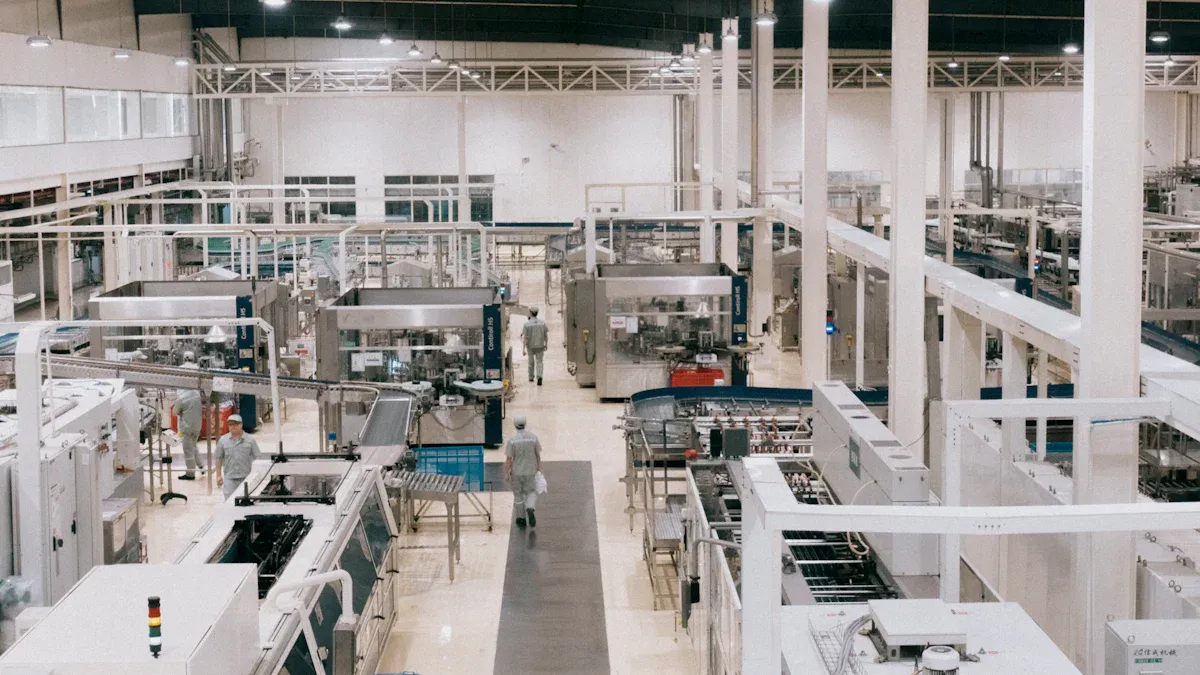



The Impact of Zhejiang's Green Regulations on Local Enterprises
2025-09-26

Zhejiang's Green and Low-Carbon Transition Promotion Regulation will significantly impact local enterprises. These regulations aim to enhance sustainability and lower carbon emissions. Local businesses will face both opportunities and challenges as they adapt. Understanding these measures will help enterprises thrive in this evolving regulatory landscape.
Key Takeaways
- Zhejiang's Green Regulations promote sustainability and lower carbon emissions, offering local businesses opportunities for innovation and growth.
- Investing in cleaner technologies may require upfront costs, but long-term savings from reduced energy consumption can offset these expenses.
- Local enterprises can access government grants and incentives to support their transition to green practices, enhancing their competitive advantage.
Key Measures of the Green and Low-Carbon Transition Promotion Regulation

Emission Reduction Targets
Zhejiang's emission reduction targets play a crucial role in the province's commitment to sustainability. These targets align with national and international standards, aiming to significantly lower carbon emissions. The province emphasizes a structured approach to achieving these goals.
| Aspect | Zhejiang's Targets | National/International Standards |
|---|---|---|
| Alignment with Goals | Aligned with national goals for low-carbon transition | National goals emphasize carbon peaking and neutrality |
| Measures Implemented | Focus on energy structure adjustment and low-carbon industries | National strategies include similar measures |
| Non-fossil Energy Share | 20.3% during the 13th Five-Year Plan | Varies by country, but many aim for higher shares |
| Economic Decarbonization | Tertiary sector contributes 55.8% to GDP | International standards promote decarbonization |
These targets encourage local enterprises to innovate and adopt cleaner technologies. By setting ambitious goals, Zhejiang aims to foster a culture of accountability and responsibility among businesses.
Resource Efficiency Standards
Resource efficiency standards are another critical component of the Green and Low-Carbon Transition Promotion Regulation. These standards require local enterprises to optimize their resource use, thereby reducing waste and enhancing productivity.
Key metrics used to measure resource efficiency improvements include:
- Total Factor Energy Efficiency (TFEE) is a primary metric used to assess resource efficiency improvements in Zhejiang's regulated sectors.
- Sector-specific applications of TFEE are emphasized, particularly in high carbon sectors such as agriculture, industry, construction, and transportation.
- The transportation sector's TFEE showed fluctuations, indicating ongoing challenges and improvements in energy efficiency.
- Agriculture benefits from modern farming techniques and energy-efficient machinery, contributing to high energy efficiency.
- The construction sector's efficiency is enhanced by stringent building energy codes and green initiatives.
These standards not only help in reducing environmental impact but also provide a competitive edge to businesses that adopt them. Companies that prioritize resource efficiency can expect to see long-term benefits, including cost savings and improved market positioning.
Economic Impact on Local Businesses

Cost Implications
The implementation of the Green and Low-Carbon Transition Promotion Regulation will lead to significant cost implications for local enterprises. Companies must invest in cleaner technologies and processes to comply with the new standards. This transition may require substantial upfront capital, particularly for small and medium-sized enterprises (SMEs) that may lack the financial resources to adapt quickly.
Tip: Businesses should consider long-term savings when evaluating these costs. While initial investments may seem high, the reduction in energy consumption and waste can lead to lower operational costs over time.
Additionally, enterprises may face increased costs related to compliance monitoring and reporting. They must allocate resources to ensure adherence to the new regulations, which may involve hiring specialized personnel or investing in software solutions. However, these costs can be offset by the potential for government grants and incentives aimed at supporting businesses during this transition.
Market Opportunities
Despite the challenges, the Green and Low-Carbon Transition Promotion Regulation opens up new market opportunities for local enterprises. The Department of Ecology and Environment of Zhejiang Province has introduced 20 measures to assist private enterprises in navigating the shift toward low-carbon operations. This initiative not only facilitates the transition but also creates avenues for business growth.
| Evidence Description | Impact on Market Opportunities |
|---|---|
| The Department of Ecology and Environment of Zhejiang Province has rolled out 20 measures to help private enterprises navigate the shift toward low-carbon operations. | This initiative facilitates the transition to low-carbon operations, creating new avenues for business growth. |
| Zhejiang's 92.7 percent of large-scale industrial firms and 80 percent of total imports and exports come from private businesses. | The new policies aim to transform environmental challenges into economic opportunities for these enterprises. |
| Zhejiang is encouraging private enterprises to monetize environmental assets, including pollution discharge rights and carbon credits. | This allows businesses to turn sustainability efforts into tangible economic benefits, enhancing their market position. |
Moreover, the regulations encourage enterprises to innovate and develop eco-friendly products. As global demand for sustainable goods increases, Zhejiang businesses can leverage their compliance with green standards to access international markets.
| Evidence | Description |
|---|---|
| Impact of Environmental Regulations on Export Trade | Environmental regulations increase product-circulation costs, prompting enterprises to adopt eco-friendly practices to meet market demands. |
| Environmental regulation and green innovation | Market-incentive regulations encourage firms to innovate, enhancing their export technological sophistication and competitiveness. |
| Green product innovation drivers | Strict environmental standards in various regions necessitate the development of green products for market entry, creating new export opportunities. |
By embracing these regulations, local enterprises can position themselves as leaders in sustainability, attracting environmentally conscious consumers and partners. The potential for growth in green sectors presents a compelling case for businesses to adapt and thrive in this evolving landscape.
Sector-Specific Initiatives
Manufacturing Sector
The manufacturing sector in Zhejiang plays a pivotal role in the province's green transition. Local enterprises must adopt innovative practices to meet the Green and Low-Carbon Transition Promotion Regulation. Key indicators measure the effectiveness of these initiatives:
| Indicator | Description |
|---|---|
| Carbon emission intensity per unit of output value | Measures greenhouse gas emissions control relative to economic growth. |
| Sulfur dioxide emissions per unit of output value | Assesses air pollution mitigation and clean production technology application. |
| Proportion of revenue from comprehensive utilization of waste resources | Indicates resource recycling effectiveness and economic benefits of resource recovery. |
| Industrial solid waste utilization rate | Evaluates waste reduction, recycling, and safe disposal effectiveness. |
| Growth rate of wind and solar power generation | Gauges transition to renewable energy and reduced fossil fuel dependence. |
These metrics help manufacturers track their progress and identify areas for improvement. By focusing on cleaner production methods, businesses can enhance their competitiveness while contributing to environmental sustainability.
Service Sector
The service sector in Zhejiang has also adapted to meet green standards. Businesses are implementing various strategies to align with the new regulations. These adaptations include:
| Adaptation Type | Description |
|---|---|
| Green Consumption | Encouraging consumers to choose environmentally friendly products and services. |
| Recycling Systems | Enhancing the infrastructure and processes for recycling renewable resources. |
| New Business Models | Implementing innovative approaches like 'Internet + recycling' to facilitate sustainable practices. |
| Green Restaurants | Developing dining establishments that adhere to eco-friendly practices. |
| Green Shopping Malls | Creating shopping centers that focus on sustainability and environmentally conscious operations. |
These initiatives not only promote sustainability but also attract environmentally conscious consumers. By embracing green practices, service sector businesses can enhance their market appeal and contribute to a more sustainable future.
Financial Support for Compliance
Government Grants
Zhejiang Province offers various government grants to assist local enterprises in meeting green regulations. These grants aim to alleviate the financial burden associated with transitioning to sustainable practices. Businesses can apply for funding to support projects that enhance energy efficiency, reduce emissions, or promote renewable energy use.
Tip: Companies should stay informed about application deadlines and eligibility criteria to maximize their chances of securing funding.
Incentives for Green Technology
In addition to grants, the province provides incentives for adopting green technology. These incentives may include tax breaks, subsidies, or low-interest loans. Local enterprises can benefit from these programs by investing in innovative technologies that improve resource efficiency and reduce environmental impact.
| Incentive Type | Description |
|---|---|
| Tax Breaks | Reductions in corporate taxes for businesses that invest in green technologies. |
| Subsidies | Financial assistance for purchasing energy-efficient equipment or implementing sustainable practices. |
| Low-Interest Loans | Access to affordable financing options for projects aimed at reducing carbon footprints. |
By leveraging these financial supports, local enterprises can ease the transition to greener operations. This proactive approach not only helps businesses comply with regulations but also positions them as leaders in sustainability within their industries. Embracing these opportunities can lead to long-term economic benefits and a positive environmental impact.
Monetizing Environmental Assets
Carbon Credits
Zhejiang enterprises can capitalize on carbon credits as a financial asset. The introduction of a carbon market in China incentivizes companies to adopt low-carbon strategies. By successfully reducing carbon output, businesses can sell unused pollution allowances, generating additional revenue. This market mechanism encourages firms to innovate and invest in cleaner technologies, ultimately benefiting their bottom line.
Sustainable Practices as Competitive Advantage
Sustainable practices provide a competitive edge for local businesses in Zhejiang. Research indicates a positive relationship between sustainable supply chain strategies and competitive advantage. Companies that restructure operations and collaborate across industries often see increased revenue and enhanced reputations.
| Key Findings | Description |
|---|---|
| Positive Relationship | A strong correlation exists between sustainable supply chain strategy and sustainable competitive advantage. |
| Mediating Role | Sustainable supply chain practices mediate the relationship between strategy and competitive advantage. |
| Inhibitors' Impact | Sustainability inhibitors strengthen the relationship between sustainable supply chain strategy and sustainable supply chain practice. |
Moreover, small and medium-sized enterprises (SMEs) in Zhejiang utilize sustainable manufacturing practices (SMPs) to boost their competitive capabilities. The adoption of SMPs positively affects their sustainable performance. Environmental regulations play a moderating role in this relationship, further emphasizing the importance of compliance.
- Restructuring operations and collaboration can lead to increased revenue and improved reputation.
- Companies that embrace sustainability can enhance their market position and attract environmentally conscious consumers.
By integrating sustainable practices into their operations, local enterprises can not only comply with regulations but also thrive in a competitive market.
The Green and Low-Carbon Transition Promotion Regulation in Zhejiang offers local enterprises a chance to innovate and lead in sustainability. Evidence shows that stringent environmental regulations drive green product innovation and enhance overall business performance. While challenges exist, the potential for economic growth remains strong. As Zhejiang integrates low-carbon development with economic objectives, businesses that embrace these changes will likely secure a competitive advantage in the market.
FAQ
What are the main goals of Zhejiang's Green Regulations?
Zhejiang's Green Regulations aim to promote sustainability, reduce carbon emissions, and enhance resource efficiency among local enterprises.
How can local businesses benefit from these regulations?
Local businesses can benefit by accessing government grants, exploring new market opportunities, and improving their competitive advantage through sustainable practices.
When do the regulations take effect?
The Green and Low-Carbon Transition Promotion Regulations will take effect on January 1, 2026.